Introduction to Ethnobotany; Weekend #1
Mar
6
to Mar 7

Introduction to Ethnobotany; Weekend #1

  • Raven's Roots Naturalist School (map)
  • Google Calendar ICS

Instructors: Elisha Klco, Jeanette Wickell, Theo Hoss

Saturday:

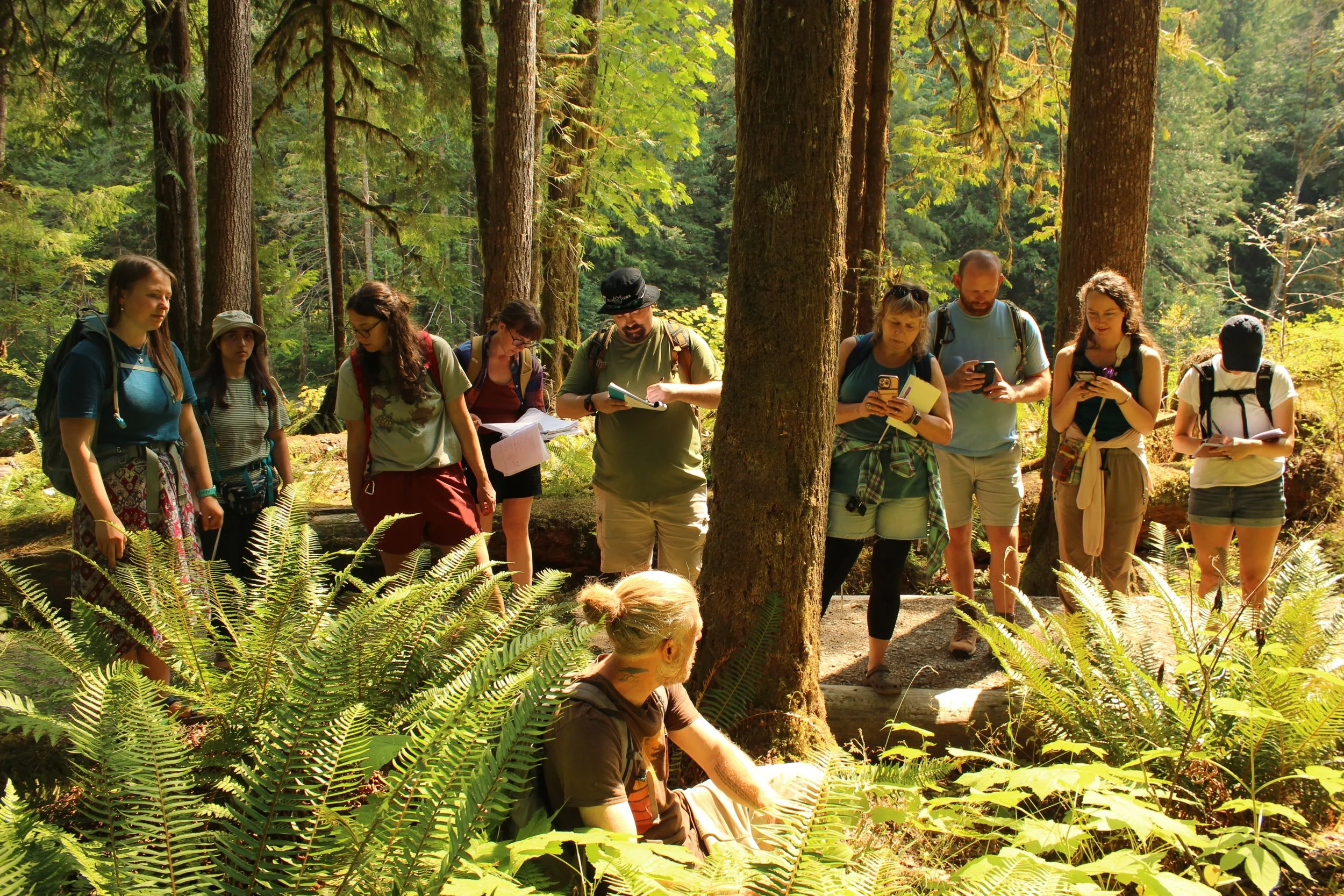
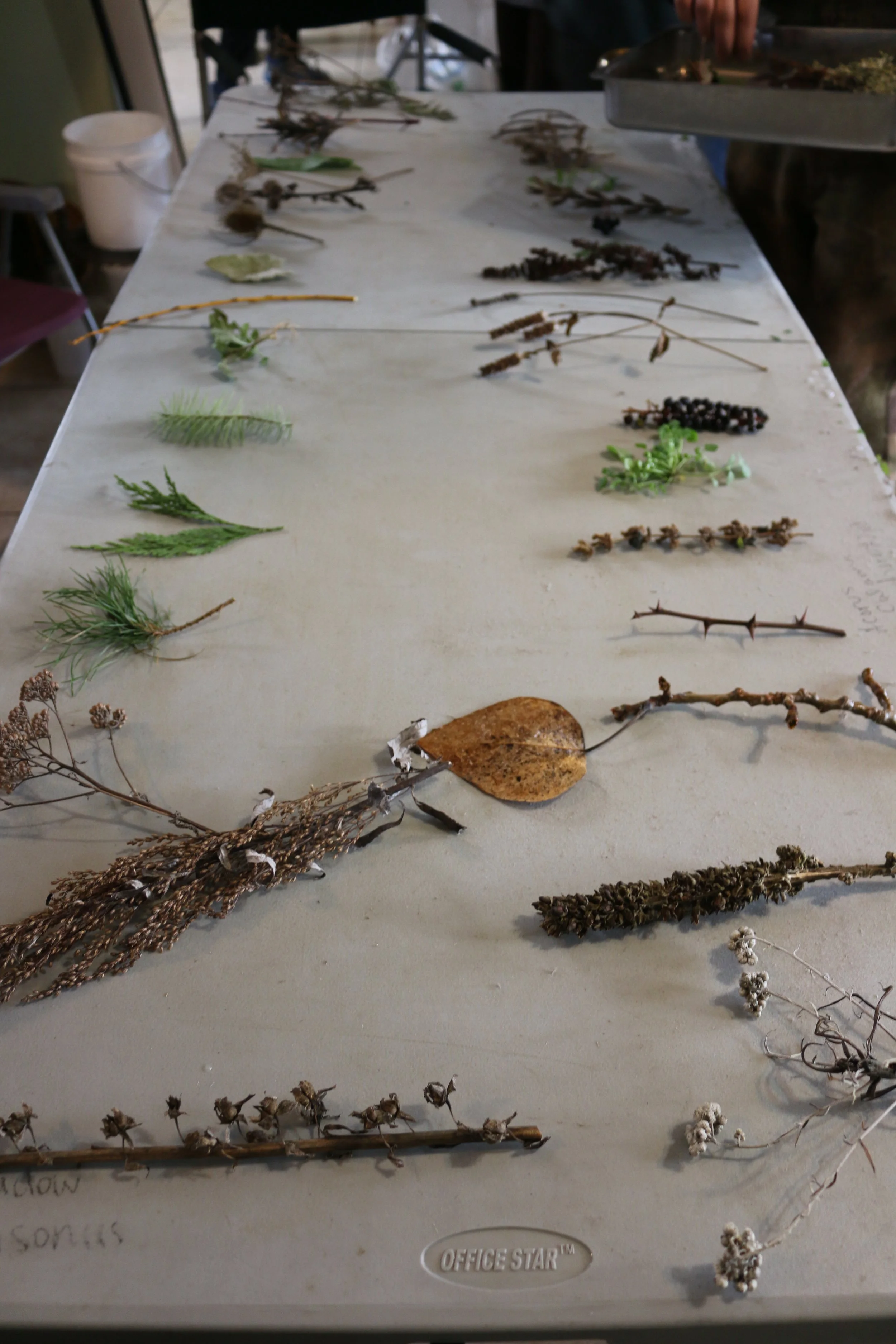
We will dive into an introduction to Ethnobotany, including the following:

  • Basics of Botany. What is Ethnobotany?

    • On this first day of the course, we will begin by providing an overview of the science of botany, and the more specific field of ethnobotany. This will help set the foundation for learning for the remainder of the course.

  • Homemade Medicine Types: tinctures, teas, and salves.

    • This first day will also include an introduction to the most common medicine types which we will be using during the course, tinctures (medicine made by dissolving plants in alcohol), teas (herbal and medicinal teas), and salves (medicinal ointments made for topical application).

  • Plant Community Growth Habits in the Pacific Northwest

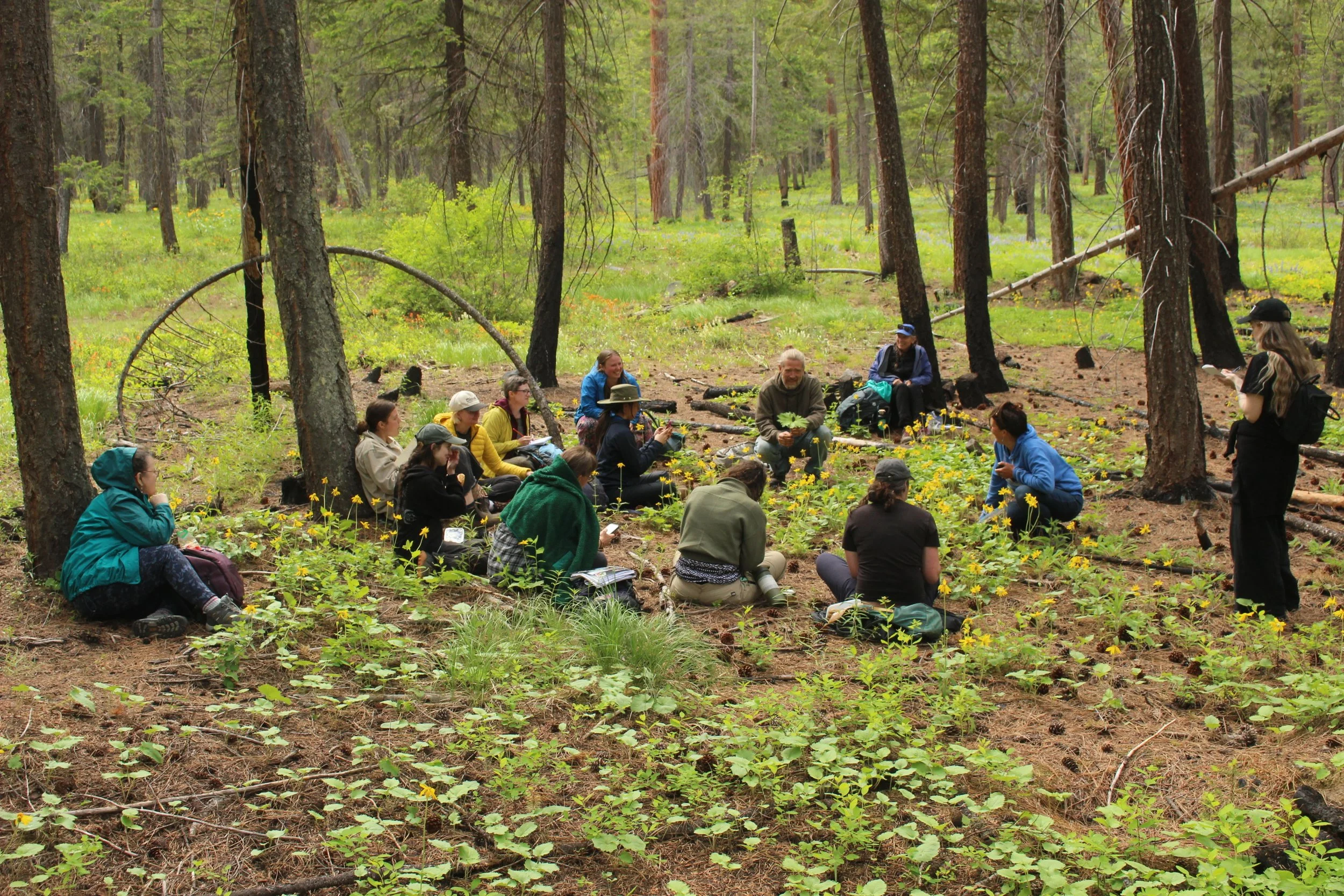
    • Understanding how forests grow is critical when trying to find specific plants for harvest and use. We will discuss how forests respond to disturbances like fire, flood, landslide, and harvest, and how they grow back, a process called succession. We will also discuss the 7 different plant layers that make up most of our local plant communities. This will help students understand how particular plants have adapted to grow in specific locations across the landscape.

  • Introduction to permaculture strategies.

    • One goal of this course is to demonstrate how to grow a medicinal garden at home, and during this first class there will be an introduction to permaculture. Permaculture gardens are meant to be primarily sustained year after year by perennial vegetables, plants which persist year round or come back from the roots each spring. We will introduce techniques for propagation, including both seed germination and clonal division. This section will also include a tour of a permaculture garden.

  • Springtime Wild Foraging.

    • In addition to strategies for growing the edible and medicinal plants covered in the course at home, we will also begin to introduce strategies for harvesting in the wild, with a focus on those plants which are productive in the spring.

Sunday

We will continue learning the basics of Ethnobotany with:

  • An overview of the coming weeks of the course.

  • Natural medicine making.

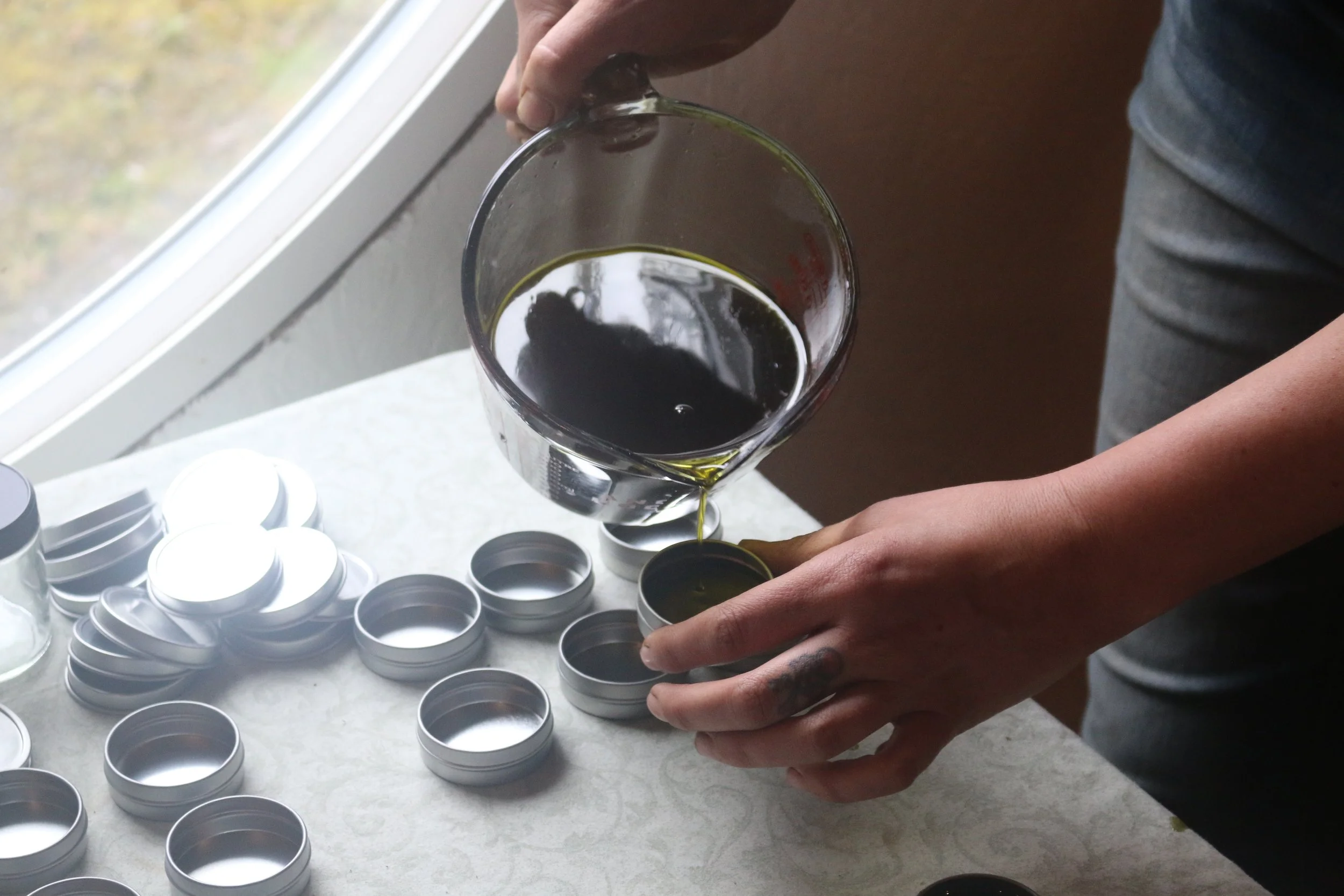
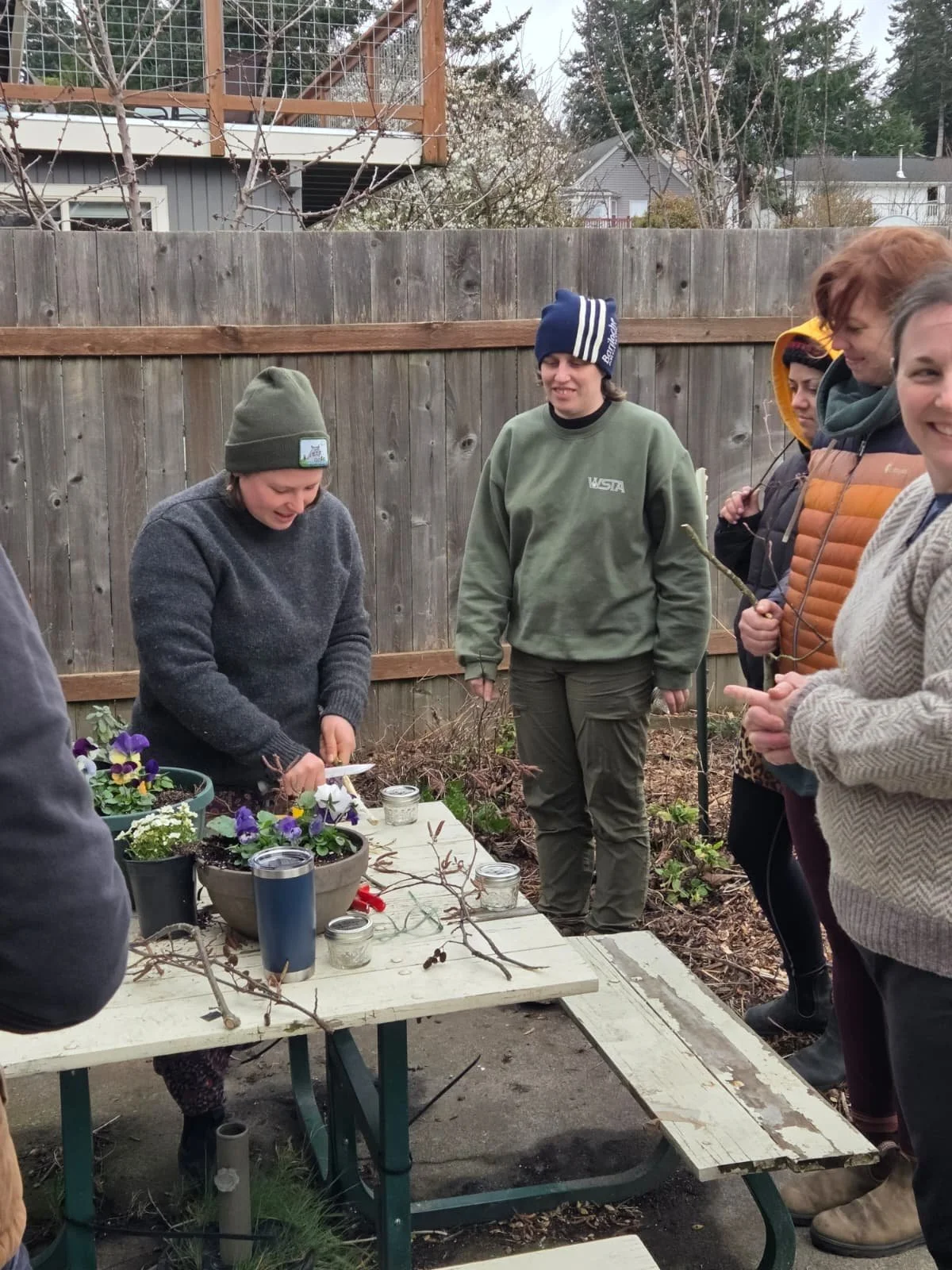
    • The class will dive into an explanation of some of the different types of plant medicines, including tinctures, salves, teas, decoctions and infusions. Students will practice by making their own natural medicines, taking home what we make in class.

  • Continued introduction to Permaculture gardening strategies and techniques.

  • Continued introduction to plant identification and the concept of succession.

  • Harvesting ethics

    • This section of the class will focus on the practices herbalists must use to keep wild harvests sustainable into future seasons and generations. We will practice using these harvesting ethics while harvesting species ready for harvest at the time of the course. We will also discuss the practices we can use to develop relationships with the plants we are meeting during this class.

  • Continued Wild foraging in the spring.

  • Recommended reading.

View Event →
Deception Pass Ethnobotany: Weekend #2
Apr
10
to Apr 11

Deception Pass Ethnobotany: Weekend #2

  • Raven's Roots Naturalist School (map)
  • Google Calendar ICS

Instructors: Elisha Klco, Theo Hoss

Our second weekend together is an introduction to the west-side lowland plants of the Salish Sea region.

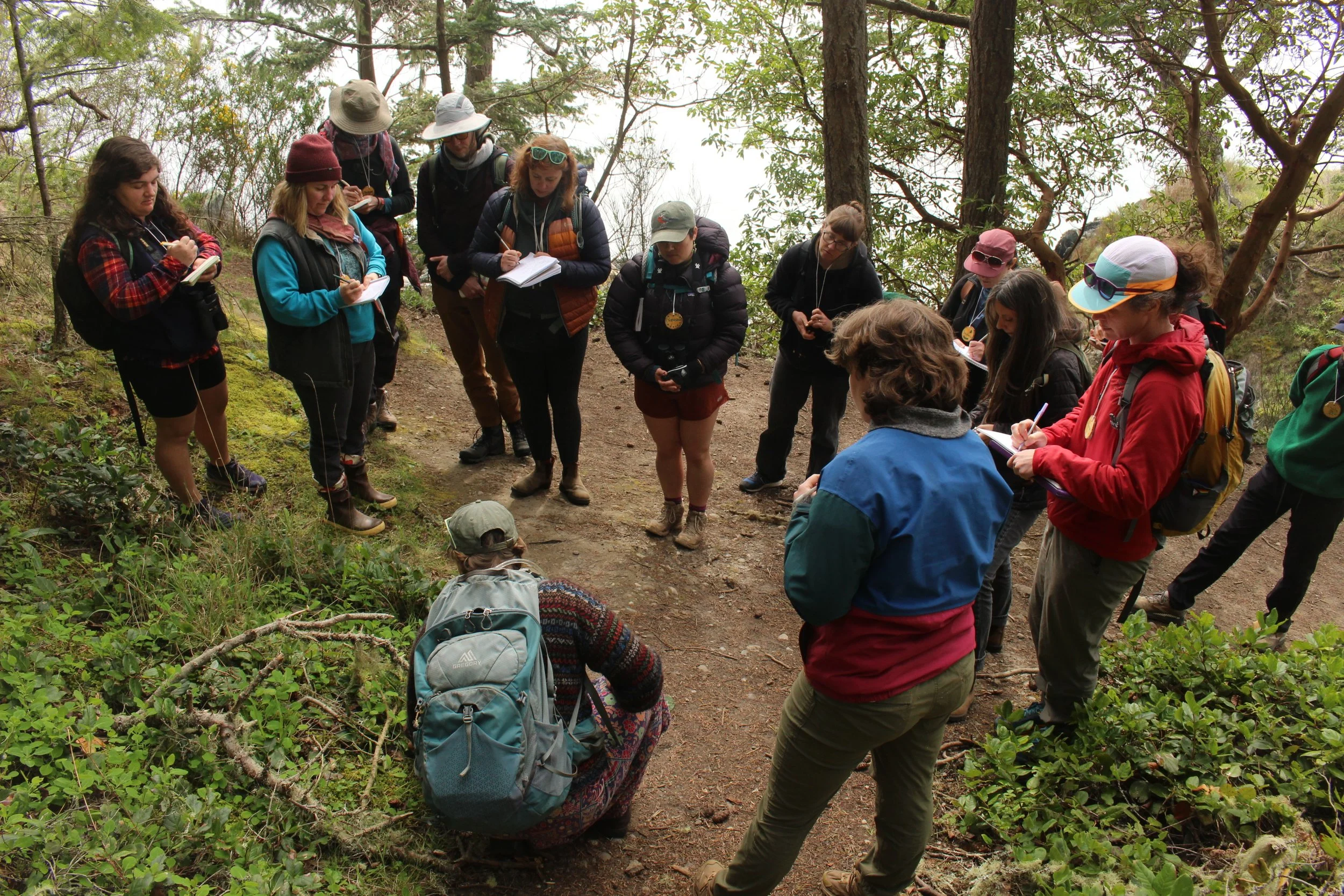
The Salish Sea basin on the western side of the Cascades Mountains is home to an enormous variety of plant types, many of them with edible and medicinal applications. The Deception Pass area is an excellent spot to meet these species since it has a mix of forest, cliffside meadow, and coastal ecosystems. Over the course of several short hikes, we will learn to identify the species present in the area and discuss their medicinal, edible, and utilitarian uses.

We will be covering:

  • Coastal habitats ecology:

    • The ocean has a profound impact on nearby land-based plant communities. Over the course of several plant walks, we will explore the adaptations plants have found to live in salty marshes, sand dunes, and coastal forests.

  • Seaweed:

    • This location is also an excellent spot to learn to identify the various types of edible seaweed present in the Salish Sea.

  • Connections to plants and place:

    • In order to continue building relationships with the various plants and plant communities of Washington State, we will spend some time practicing techniques for observation and reflection. This will include the practice of “sit-spots”.

  • Culturally important foods:

    • With a long human history of habitation in the coastal regions of the state, it is no surprise that many of the plant communities around the Salish Sea include a multitude of edible species. We will discuss the various edible portions of plants, including roots and tubers, and their continued use. 

View Event →
Methow Valley Ethnobotany: Weekend #3
May
1
to May 2

Methow Valley Ethnobotany: Weekend #3

Location: Methow Valley (Mazama, Winthrop, Twisp areas). Overnight camp.

Instructors: Gabe Garms, Elisha Klco, Theo Hoss

  • Introduction to east-side plants of the Methow Valley:

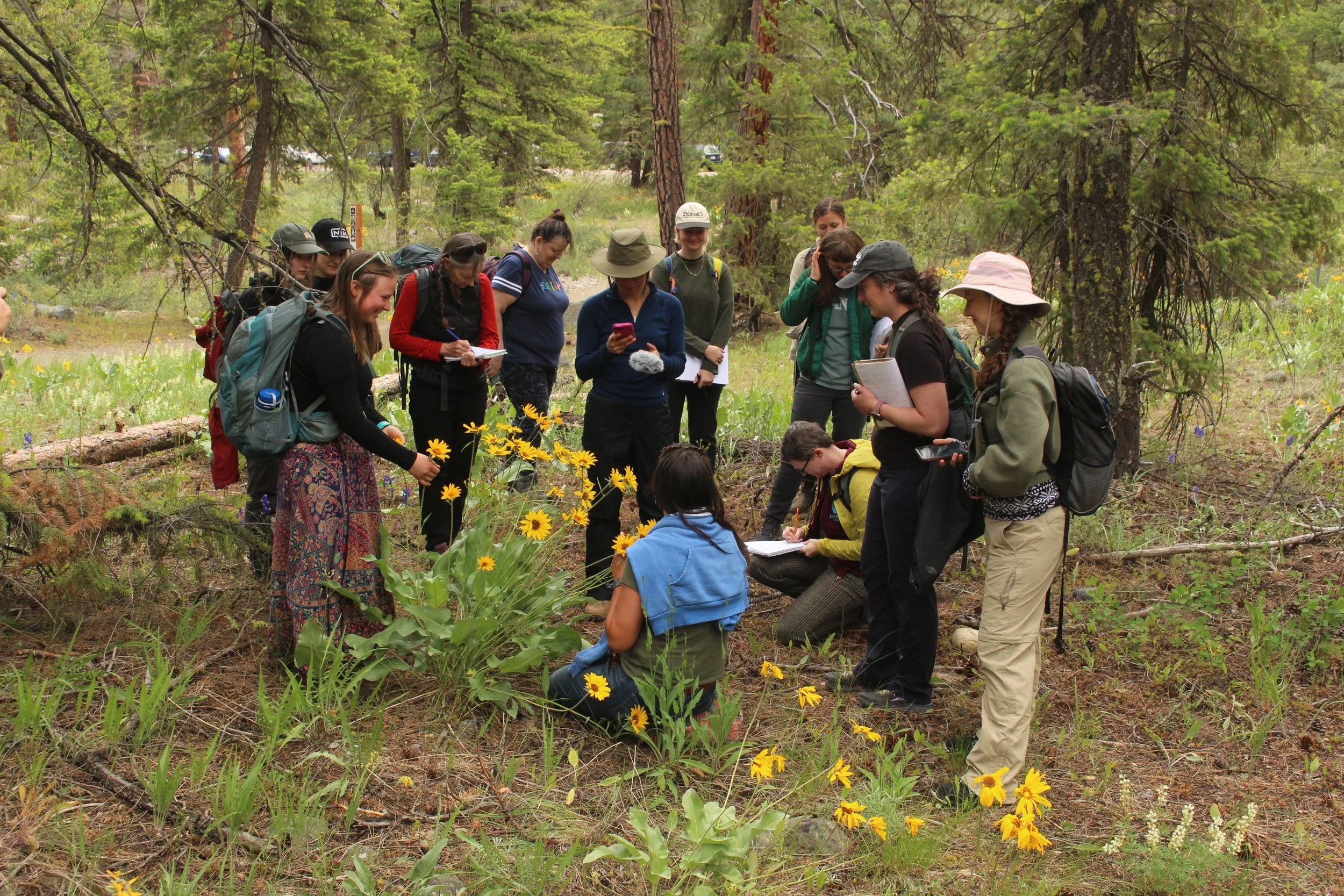
    • This weekend’s course will include plant walks in multiple ecosystems on the east side, covering edible, medicinal, and utilitarian uses. There will also be discussion of the value of these species to wildlife. The main focus will be on the foothill and shrub steppe habitats east of the Cascade Mountains.

  • Plant connections to wildlife:

    • This location is an excellent spot to discuss beneficial insects and pests, as well as how to identify them and the ways in which plant attract them. We will also dive into the importance of these species to other wildlife in the region.

  • Foraging and harvesting:

    • There will be opportunities to learn methods of wild harvesting the foods and medicines on annual harvest schedule for May. This will include a walk focused on the importance of tending wild spaces and building relationships with ecologies through reciprocal acts.

View Event →
Southwestern Washington Ethnobotany: Weekend #4
Jun
5
to Jun 6

Southwestern Washington Ethnobotany: Weekend #4

  • Raven's Roots Naturalist School (map)
  • Google Calendar ICS

Location: South Puget Sound (Riparian, Estuary, and Garry Oak Prairie). Overnight camp.

Instructors: Elisha, and Theo

  • Introduction to the plants of the South Puget Sound region:

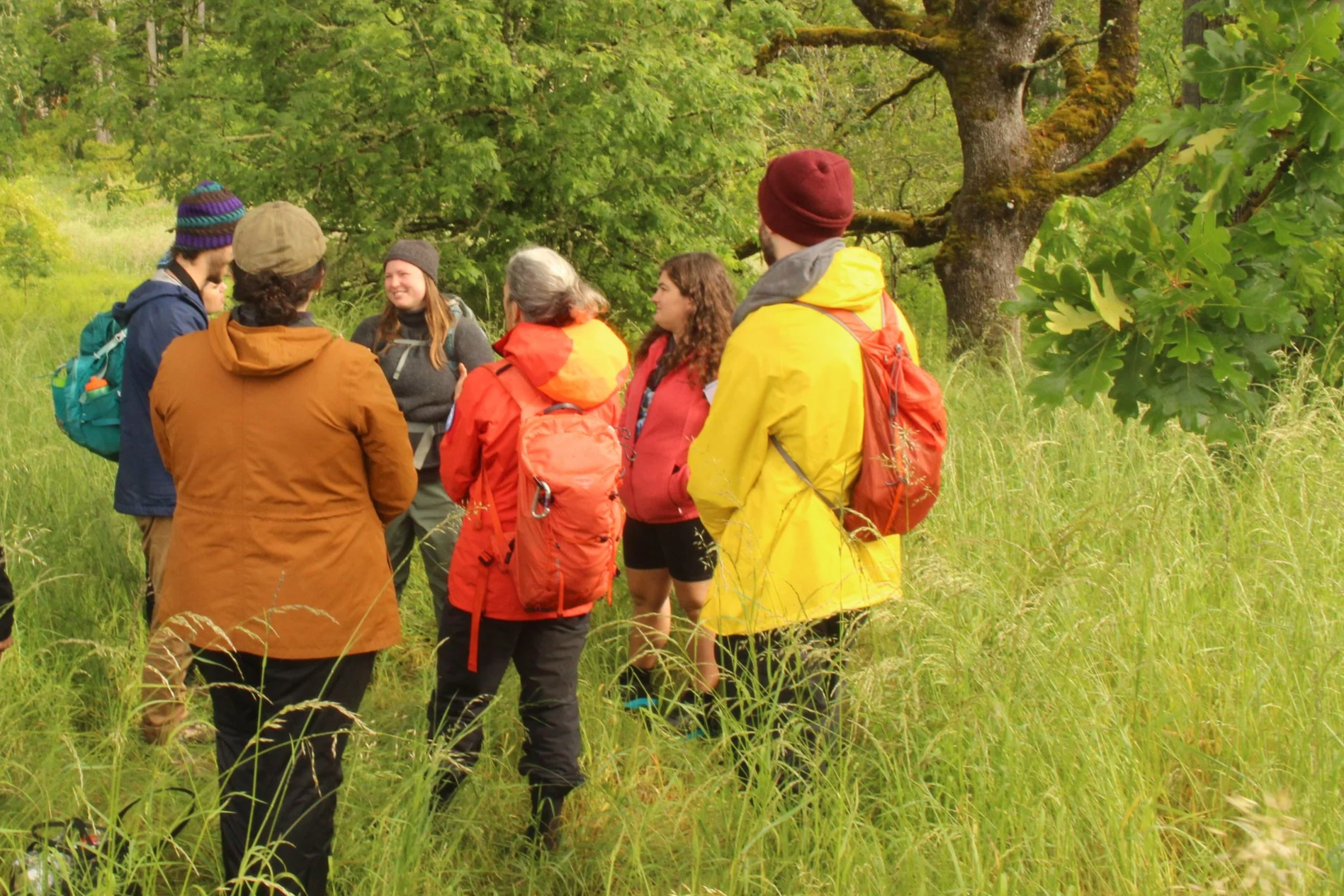
    • Plant walks will cover edible, medicinal, and utilitarian uses for local plants, with a focus on oak prairie and wetland ecosystems. There will also be information on the wildlife value of these species, and the ecological impacts of fire suppression following colonization.

  • Traditional Land Management Practices:

    • This week includes a visit to a savannah ecosystem dominated by Oregon White Oak (also called the Garry Oak). These habitats have historically been heavily managed by Native American nations in the region. There will be a discussion of the importance of Indigenous land management with fire, as well as the role fire plays in restoration of habitat in traditionally managed areas which have seen fire excluded.

  • Connections to plants and place:

    • In order to continue building relationships with the various plants and plant communities of Washington State, we will spend some time doing “sit-spots” in the Oregon White Oak Savannah.

View Event →
Olympic Peninsula Ethnobotany: Weekend #5
Jul
17
to Jul 18

Olympic Peninsula Ethnobotany: Weekend #5

  • Raven's Roots Naturalist School (map)
  • Google Calendar ICS

Location: Olympic Peninsula (Lyre River, Hurricane Ridge, Sol Duc River). Overnight camp.

Instructors: Elisha, Theo 

  • Introduction to the plants of the Olympic Peninsula:

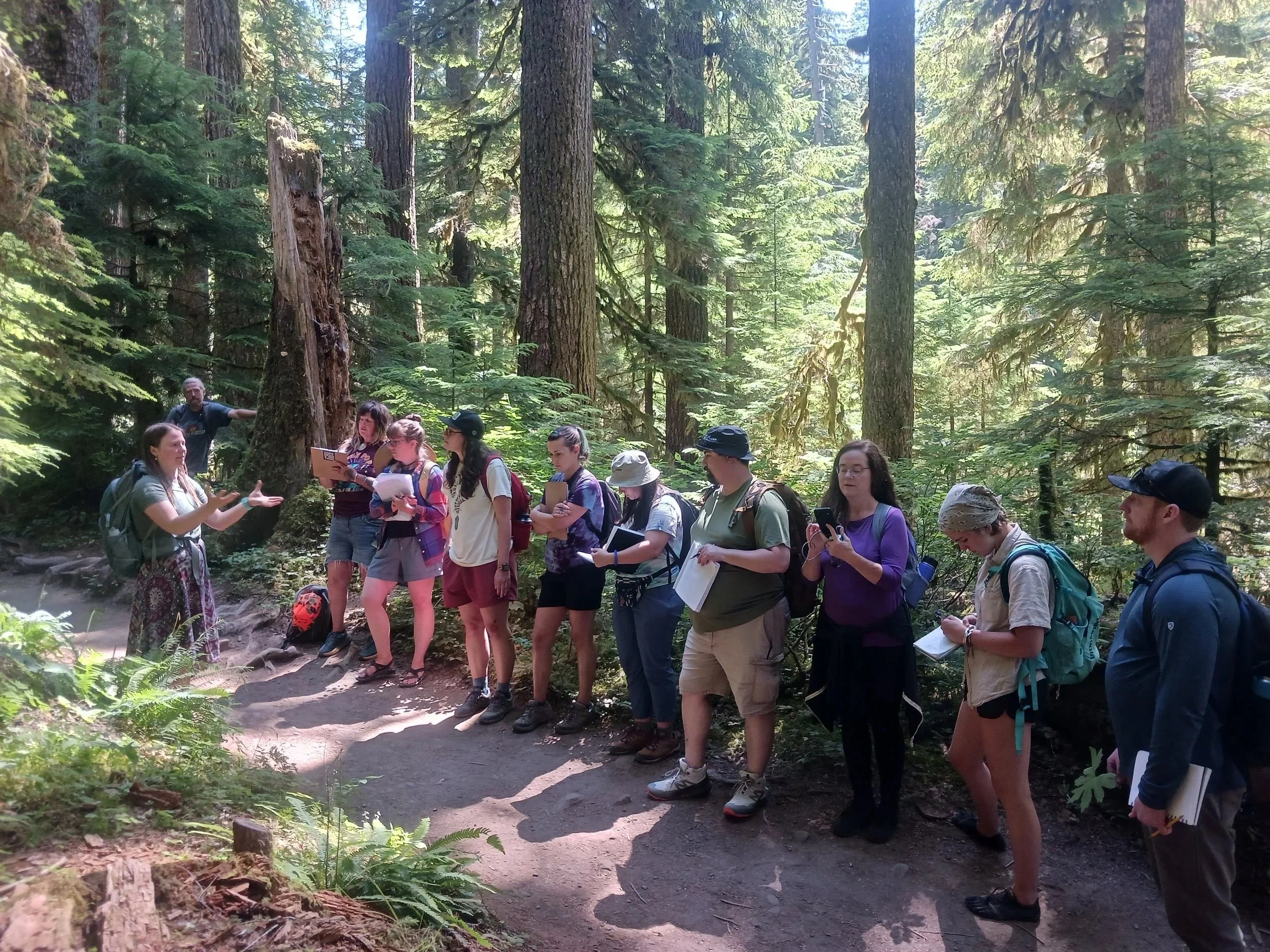
    • With mountains, coasts, and forested lowlands, the Olympic Peninsula has a wide variety of plant communities to learn from. Due to its isolation, surrounded by water on three sides, it is also home to several plants found nowhere else in the world. Plant walks will occur in three very diverse plant communities, with a focus on Medicinal, edible and utilitarian uses.

  • Edible Berries

    • Washington is home to a huge array of edible berries, and this trip is the perfect time of year to find multiple species with ripe fruit.

  • Overview of Olympic Ecosystems:

    • During the plant walks, we will compare and observe coastal plant communities, old-growth forests, and alpine meadows.

  • Connections to plants and place:

    • In order to continue building relationships with the various plants and plant communities of Washington State, we will spend some time doing “sit-spots”.

View Event →
Mt. Baker Area Ethnobotany: Weekend #6
Aug
28
to Aug 29

Mt. Baker Area Ethnobotany: Weekend #6

  • Raven's Roots Naturalist School (map)
  • Google Calendar ICS

Location: Mt. Baker Area, Nooksack River, Heather Meadows. Overnight camp.

Instructors: Elisha, and Theo

  • Introduction to the plants of the upper Nooksack River and Mt. Baker:

    • This weekend will include a plant walk in a riparian ecosystem, as well as the subalpine and alpine plant communities around Mt. Baker. River. As usual, we will share edible, medicinal, wildlife attracting, and utilitarian uses for the plants we meet along the way.

  • Edible Berries

    • There will be opportunities to spend time harvesting the native blueberries of the region.

  • Carnivorous plants 

    • This trip will offer the opportunity to meet some of the plants native to this region who obtain their nutrients by consuming insects.

  • Connections to plants and place:

    • In order to continue building relationships with the various plants and plant communities of Washington State, we will spend some time doing “sit-spots”.

View Event →
Plant Medicine Making Deep Dive: Ethnobotany Week #7
Sep
26
3:00 PM15:00

Plant Medicine Making Deep Dive: Ethnobotany Week #7

  • Raven's Roots Naturalist School (map)
  • Google Calendar ICS

Instructors: Elisha Klco, Theo Hoss

The class this weekend is focused on the methods for using the plants collected over summer in different types of medicine, and we will be making;

  • Infused oils (an oil enriched by medicinal compounds found in plants).

  • Salves (medicinal ointments used for topical treatments).

  • Tinctures (an extract of medicinal plants dissolved in alcohol).

  • Oxymels (an extract of medicinal plants dissolved in honey).

  • Elixirs (a sweetened and aromatic solution of alcohol, medicinal plant, and water).

  • Lotions (emulsions of oil, water, and medicinal plant for topical application).

  • Syrups (a concentration of sugar in water with a medicinal substance added).

  • Tea Blends (blends of dried medicinal plants).

  • Seed saving (methods for storing seeds into the next planting season).

Students will be taking home the medicines that they make.

View Event →
Basket Making: Ethnobotany Weekend #8
Oct
24
5:00 PM17:00

Basket Making: Ethnobotany Weekend #8

  • Raven's Roots Naturalist School (map)
  • Google Calendar ICS

Instructor: Reisha Beck and Elisha Klco

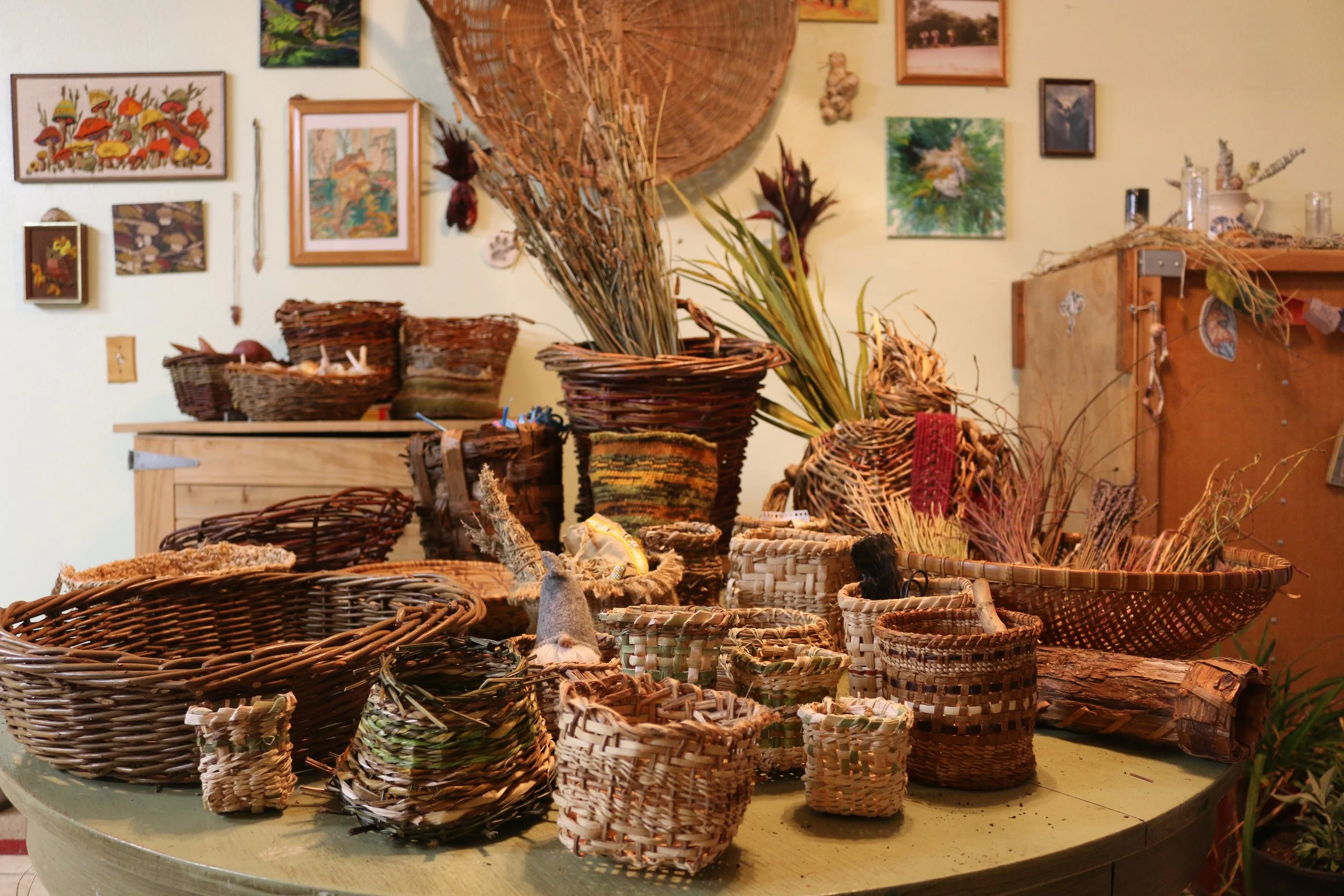
  • This weekend’s course, guided by Reisha Beck, will focus on basketry, including:

    • Making a small basket using ponderosa pine needles.

    • Making a small basket using cattails.

    • Making multiple types of natural cordage with a variety of techniques.

    • Discussion of how to harvest cattail for basket making.

    • How to grow other basketry crops.

View Event →
Fermentation and Food Preservation: Ethnobotany Weekend #9
Nov
13
to Nov 14

Fermentation and Food Preservation: Ethnobotany Weekend #9

  • Raven's Roots Naturalist School (map)
  • Google Calendar ICS

Instructors: Gabe Garms, Elisha Klco

  • Lactofermentation - Beyond kraut and kimchi.

  • Fermented beverages from around the world. Students go home with kombucha and jun scoby and milk kefir grains.

  • Fermenting with wild ingredients and perennial vegetables.

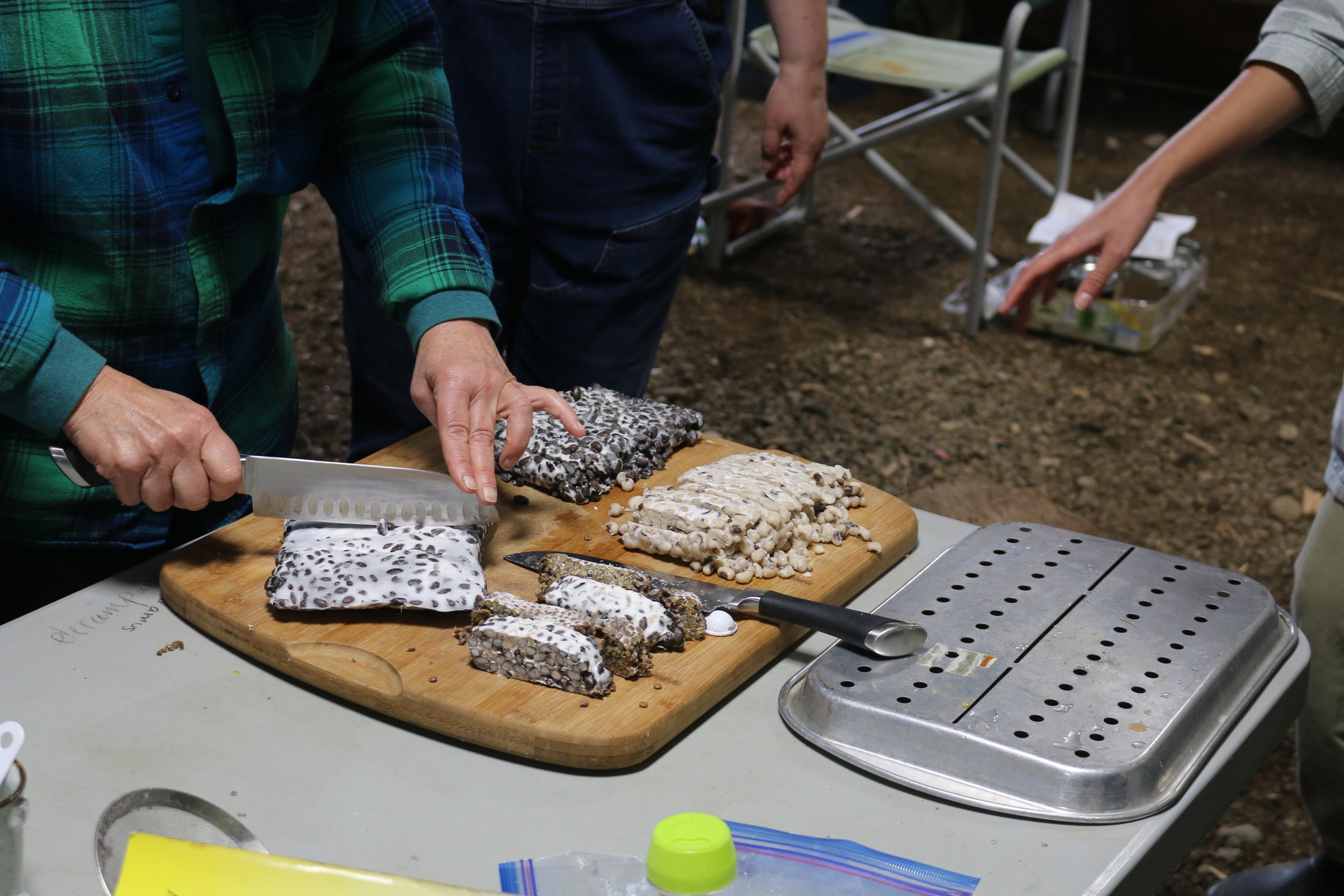
  • How to make tempeh. Students go home with tempeh spores.

  • Fermenting seeds, legumes and grains from the garden.

  • Medicinal vinegars, honeys and syrups with plants grown in our gardens.

  • How to build incubators at a low cost to make yogurt, koji, tempeh and more.

  • Drinking vinegars: oxymels and shrubs.

  • Root processing and harvesting 

  • Fall tending of gardens 

  • Cottonwood bud harvest 

View Event →