
How to Dress in the Pacific Northwest: A Guide to Layering for all-day Outdoor Comfort
/I live in western Washington, which is of course well known for one particular type of weather… but the fact is, its not all rain here. The Pacific Northwest has a wide variety of ecosystems, all with different climates and seasonal patterns, and sometimes the weather changes significantly by the hour! When I first moved here, it took me several years to learn how to dress so that I could be comfortable in the outdoors for extensive periods of time. Now, as a professional Naturalist who has spent whole days teaching outside in all four seasons, I wanted to share some tips for dressing in our local climate.
Wool Wins, and Cotton Kills
One quick note before we begin, the materials that clothes are made of matter. For winter outdoor wear, we have a saying in the outdoor community, cotton kills! This is based in the simple fact that once cotton is wet, it loses all ability to help you retain body heat, and actually starts sucking the warmth right off your body. Its very easy to get on the internet and find outdoor influencers wearing things like jeans and cotton hoodies for their outdoor activities; this is a terrible idea for comfort and safety in cool moist places. Cotton is a perfectly acceptable material in warm dry climates, where a bit of extra heat transfer is welcome (or even preferred), but here in western Washington, packing cotton for an outdoor excursion can quite literally be deadly. People stuck in emergency situations without properly warm clothing are going to be at a severe disadvantage without the right clothing, and even outside of emergencies, cotton is simply less comfortable in inclement weather.
Wool is really the gold standard material for spending extended time outdoors in the mist and rain. In addition to retaining heat even when wet, wool is often quite good at wicking moisture, and as an added bonus it doesn’t pick up body odor nearly so much either. Wool can often a bit more expensive, but can last years even with frequent wear, and is quite worth the cost for safety and comfort.
Alright, now that we have that out of the way, lets jump into how to put those clothes together effectively!
Layering like and onion…except a warm onion…
The concept we will be talking over in this blog is called layering. Basically, the different clothes are the layers, and you can change the number of layers you wear based on the weather conditions throughout the day. This is extra handy if conditions are fluctuating a lot, or your level of activity is variable. This is especially apparent in fall, when days can start out below freezing and end up in the low 70s (as happened to me in Bellingham a few weeks ago). The remainder of this article about how those layers can best be stacked (with photos)!
The bottom layer:

The bottom layer is (of course) underwear.
Whats the bottommost layer? Your skivvies! Did I need to include this? Probably not, I think most people already wear underwear…but just in case. Wear whatever underwear are best suited for the activity you are doing outdoors!
The only other layer you need (in warm dry weather):
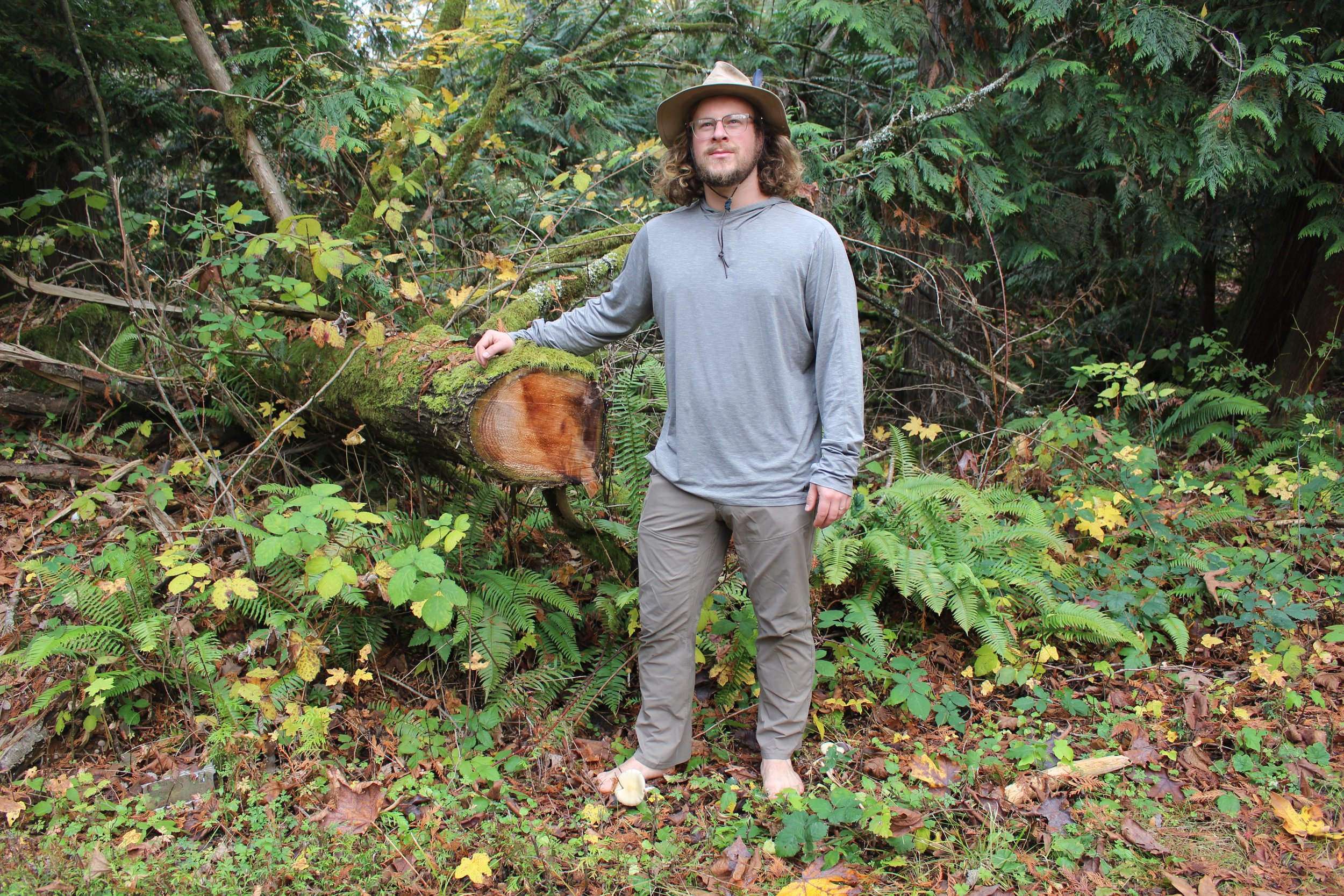
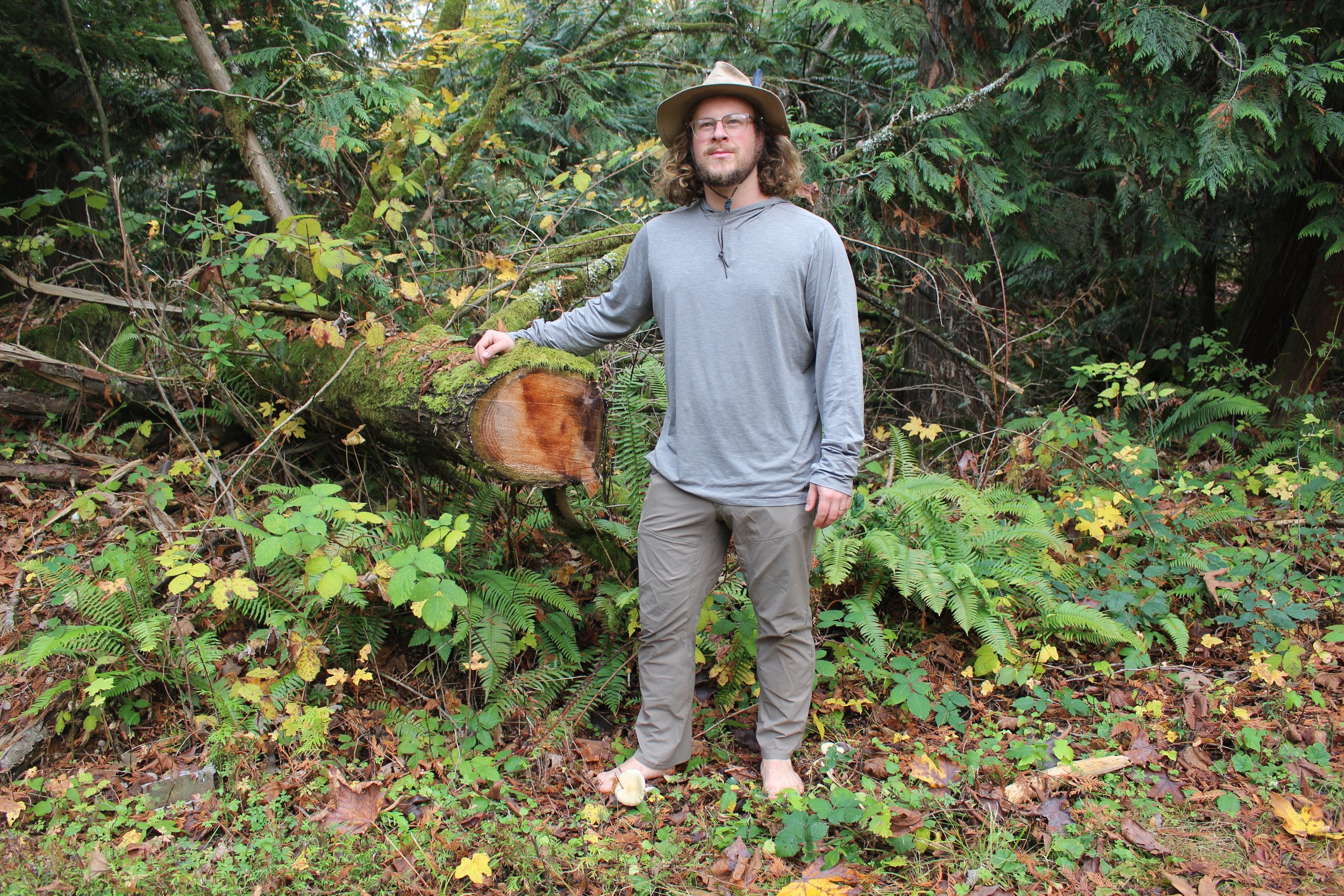
A sun hoodie and pants can help protect you from the sun, and are usually comfortable on their own in warm dry weather.
If it is summertime and warm out, you may be comfortable in just one layer of outdoor clothes. My personal preference is for pants and a sun hoodie, since they minimize the exposure to sunlight and reduce the risk of sunburn and melanoma! But warm sunny days outside here are limited to a small portion of the year.
The base layer:
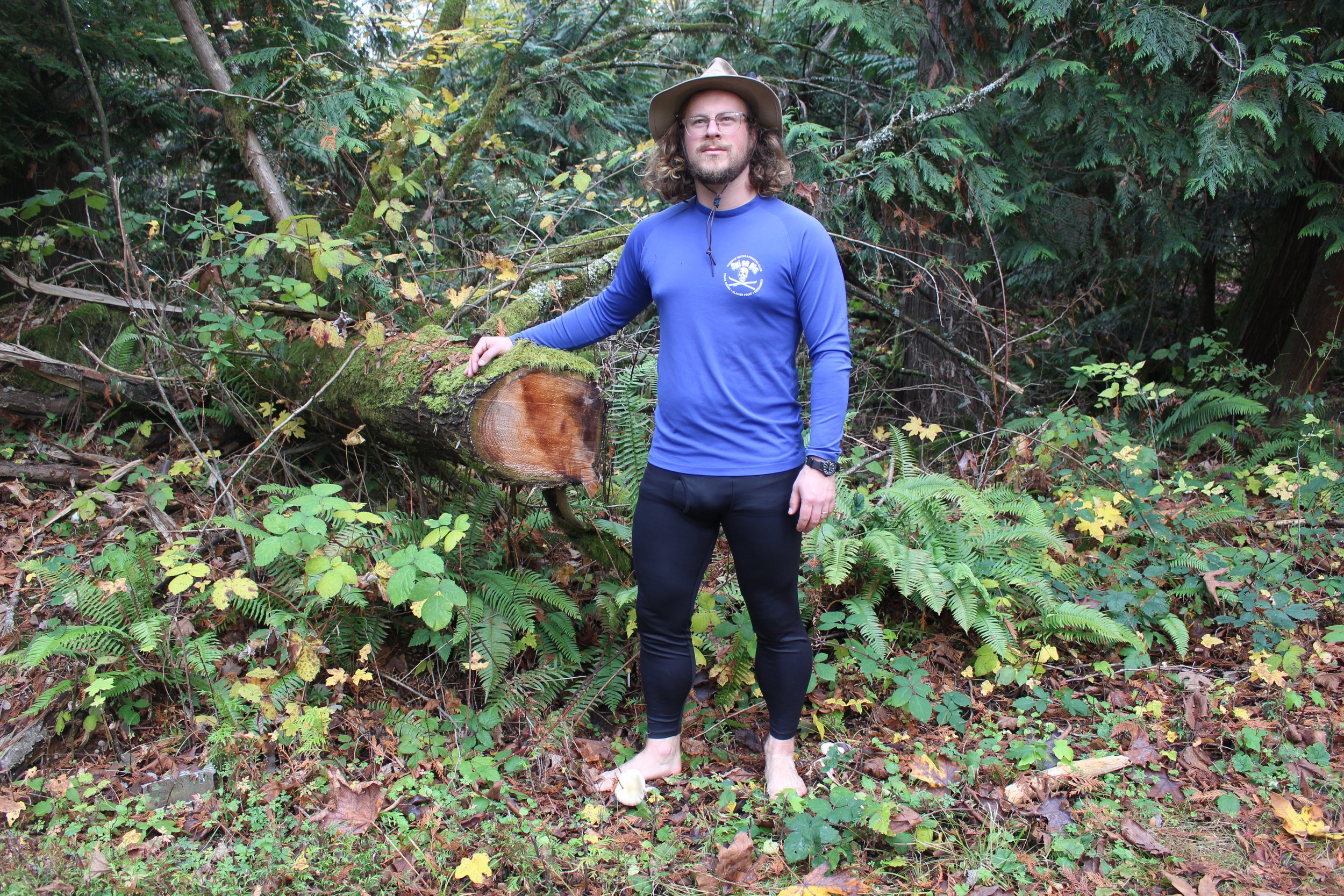
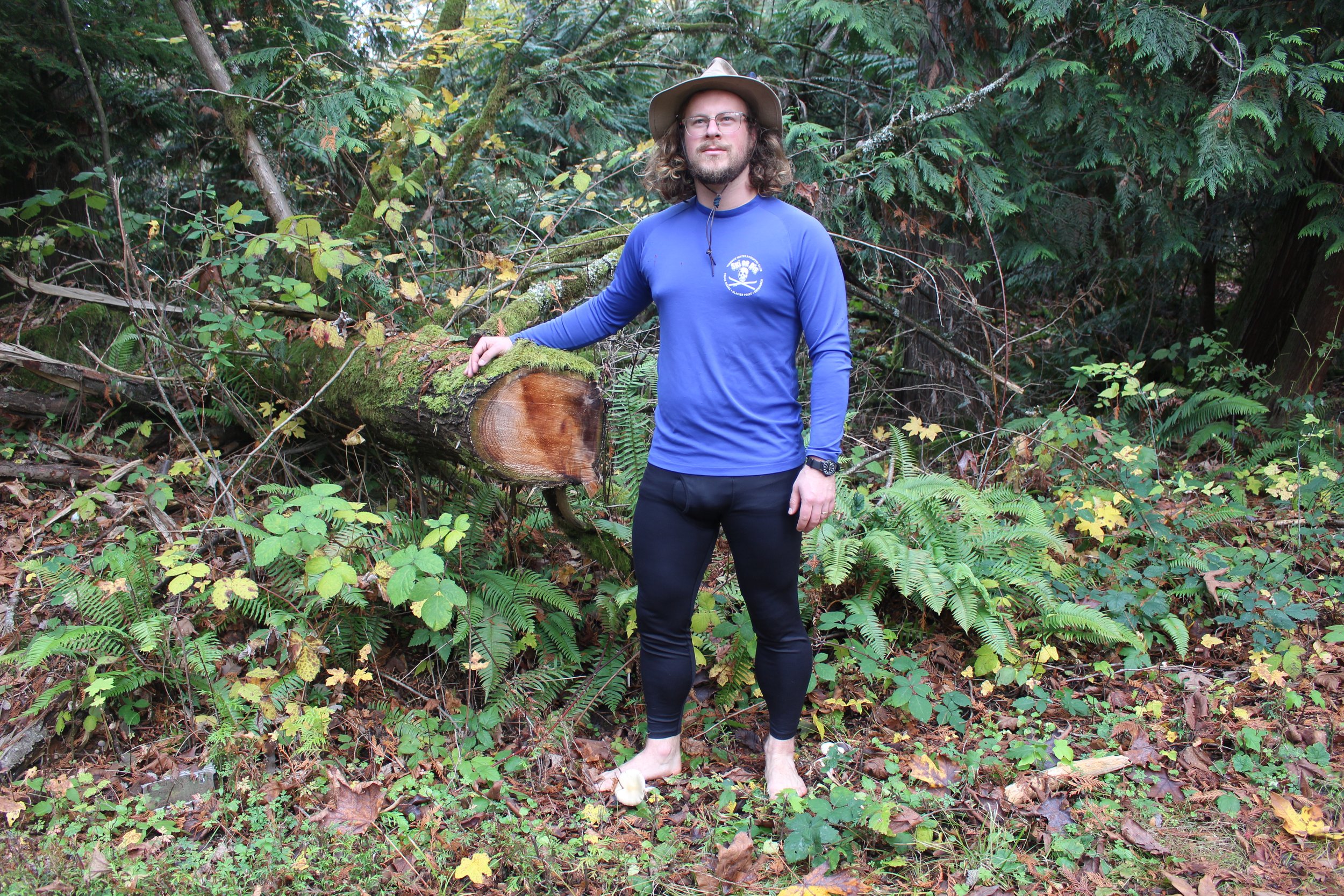
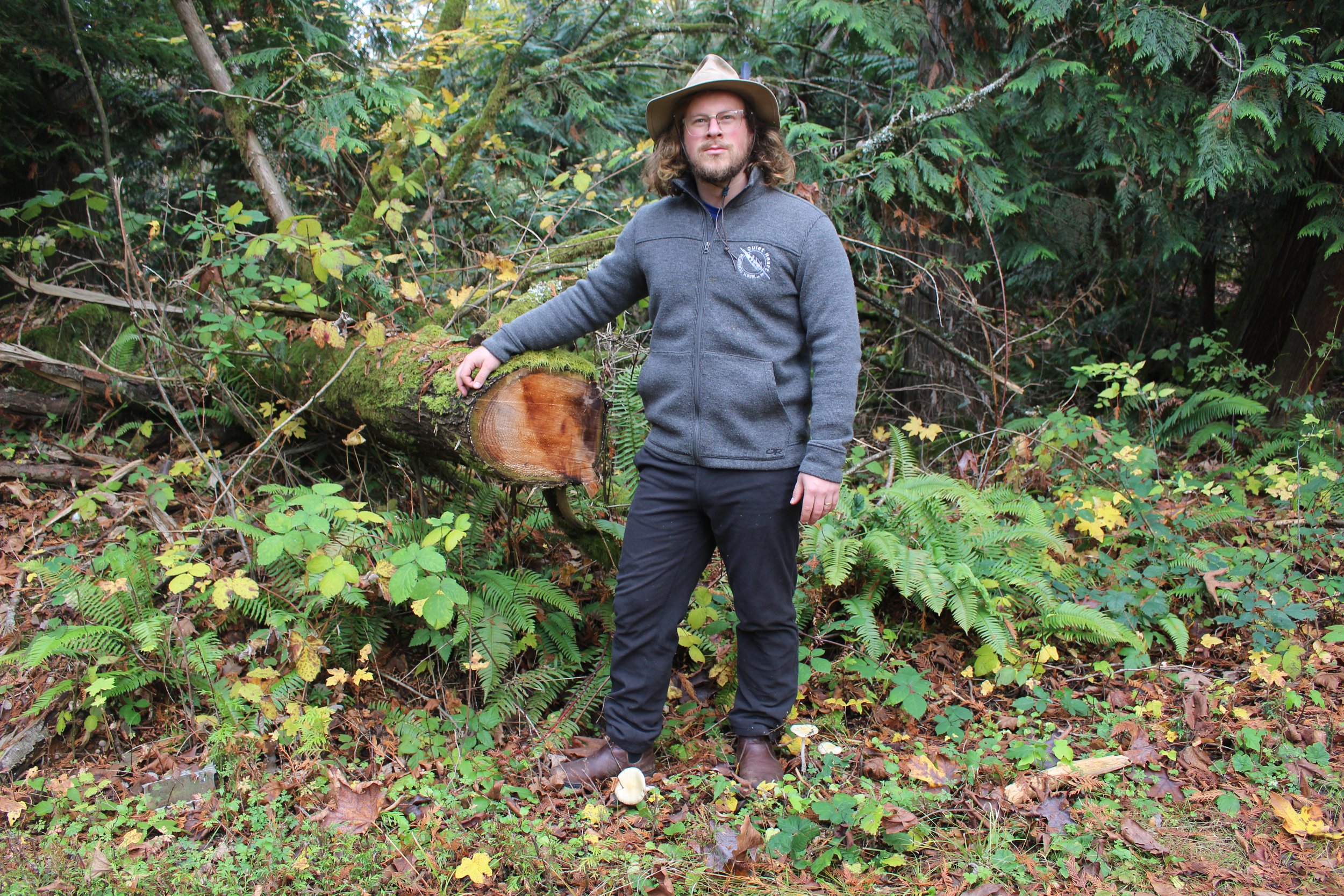
A base layer in the form of long-johns adds a bit of insulation and helps wick moisture away from the skin.
For long days outside in the winter in temperatures below 40 Fahrenheit (about 4.5 degrees Celsius, consider starting with a base layer (also called long-Johns or long underwear). The base layer provides a bit of extra insulation for the legs and arms, but its most critical function is to help wick sweat off the skin.
Depending on how cold you run, you may consider this layer at a higher temperature, but since this layer also adds a bit of extra heat retention, exercising while wearing them at higher temperatures can lead to overheating. Since the base layer is the hardest to remove once they are on, it can sometimes be better to “be bold and start cold” to avoid having to undress fully to remove them once you start moving.
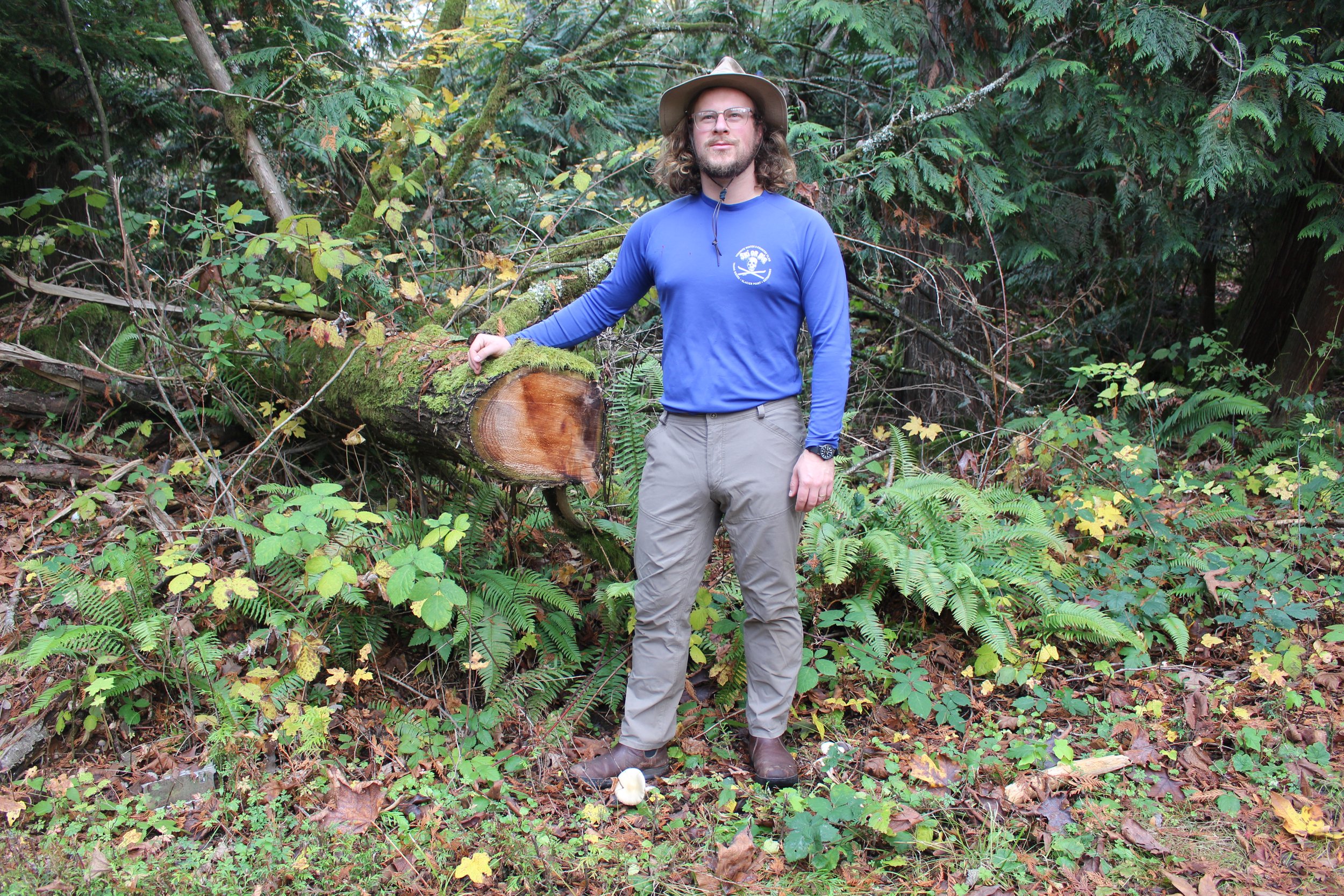
base layers can be worn as the top layer during warmer periods of the day, or during more intense activity.
Below 20 Fahrenheit (-7 Celsius), insulated long underwear can offer even more extra warmth. A base layer is also an excellent addition to sleeping clothes on overnight trips in cold moist climates, and depending on the type of base layer you have and the activity, you can absolutely just wear them as the outermost layer for extended periods.
Middle layer clothing:
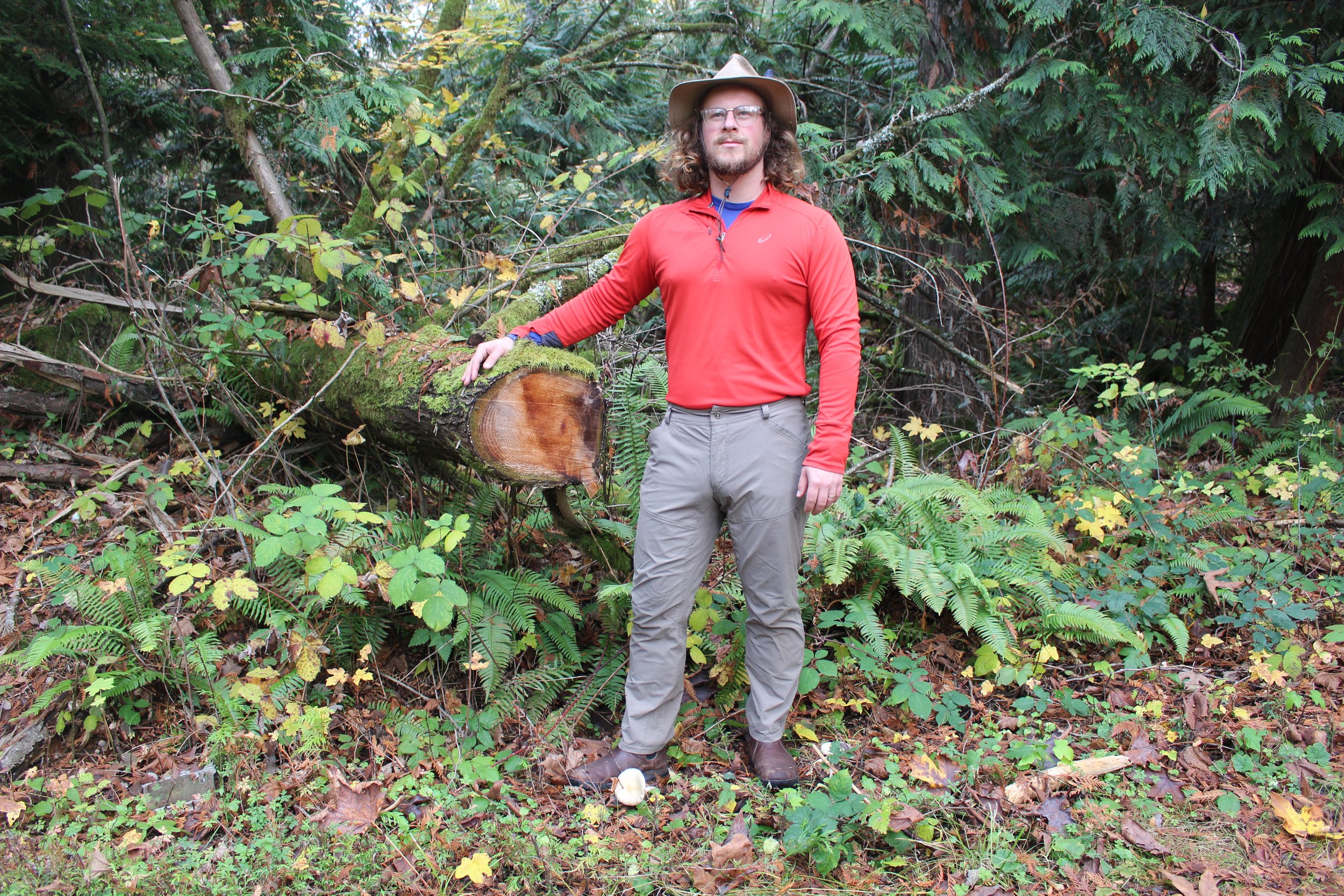
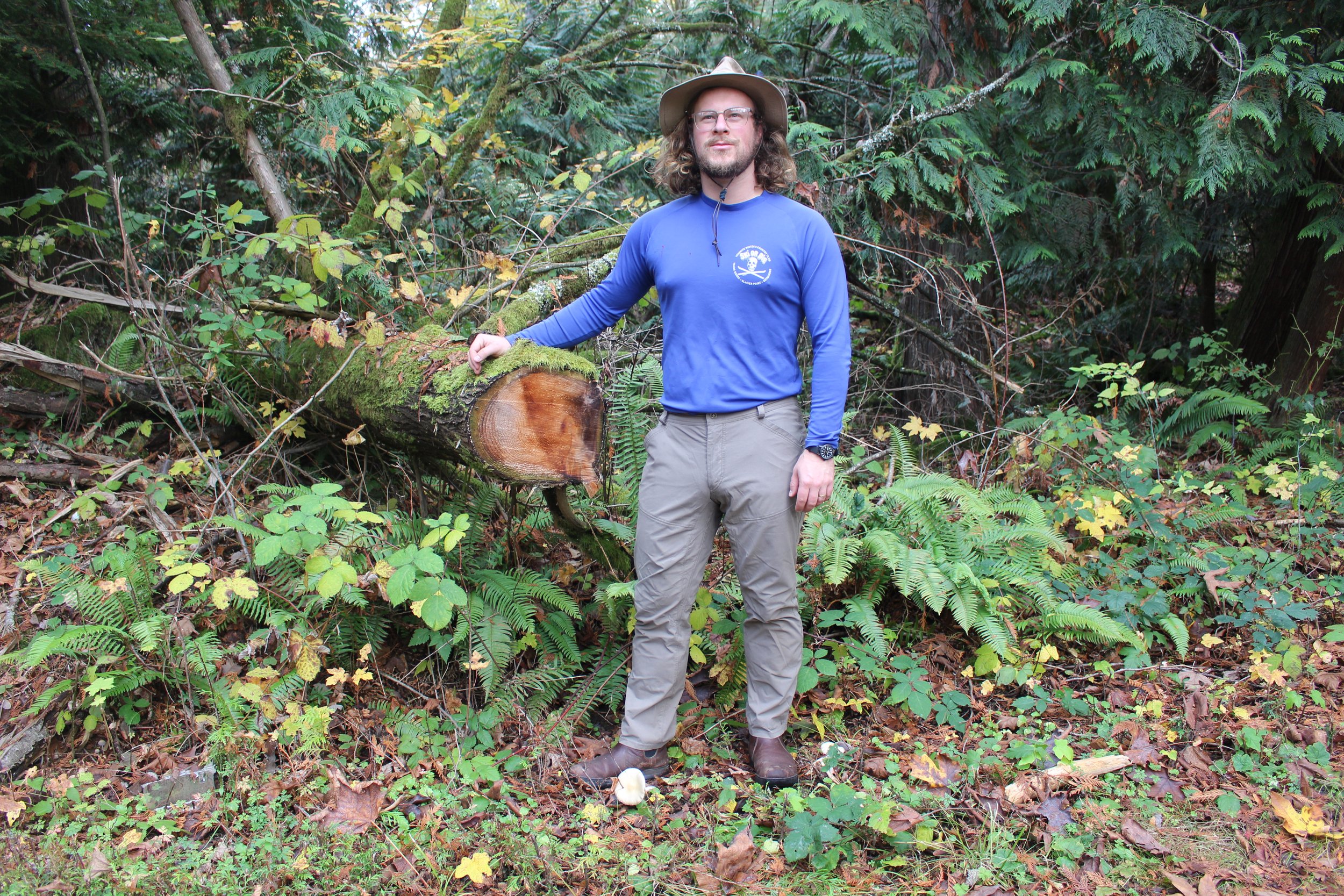
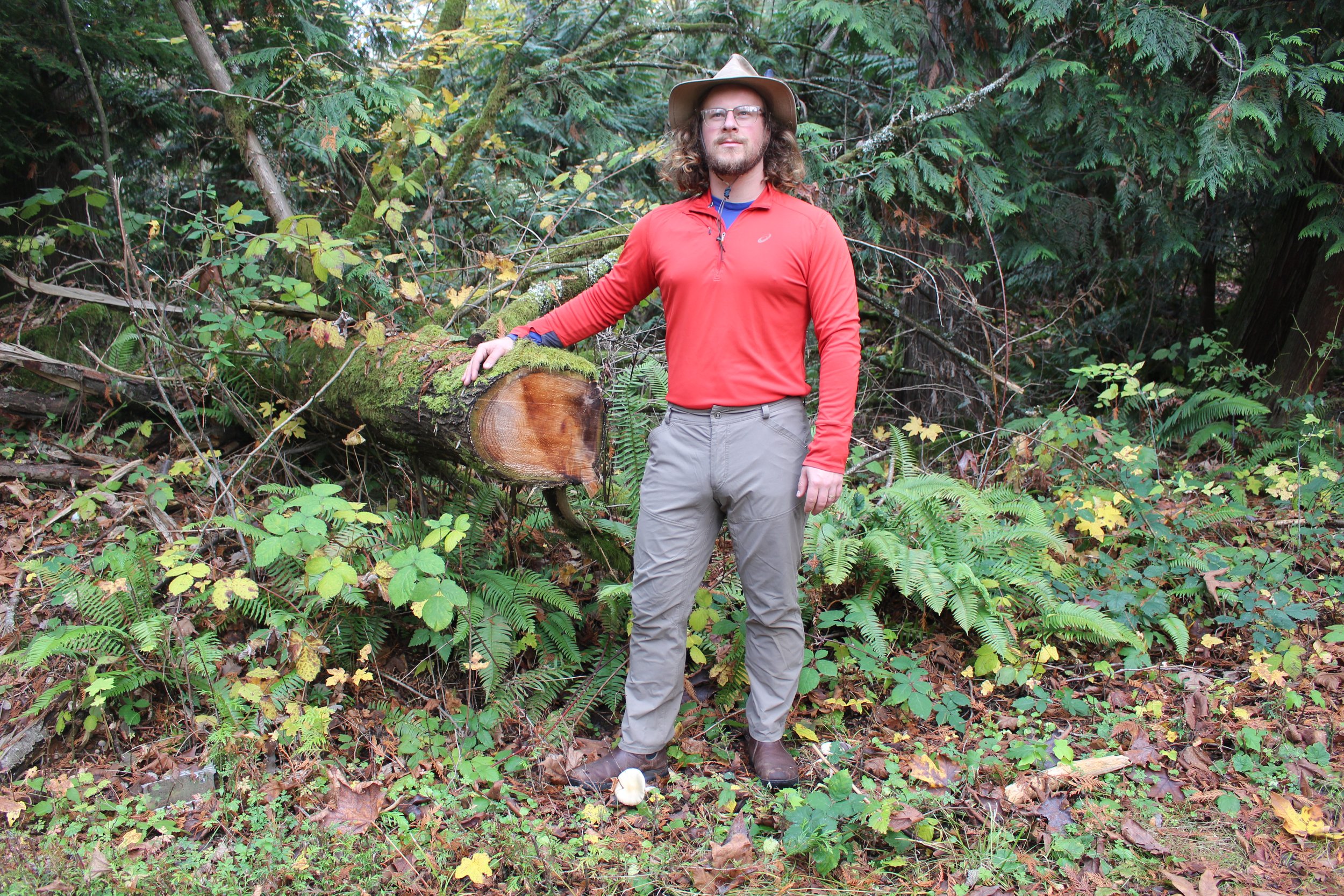
Mid-layer clothes generally start with a shirt and pants suited to the outdoor activity you are undertaking (no cotton)!
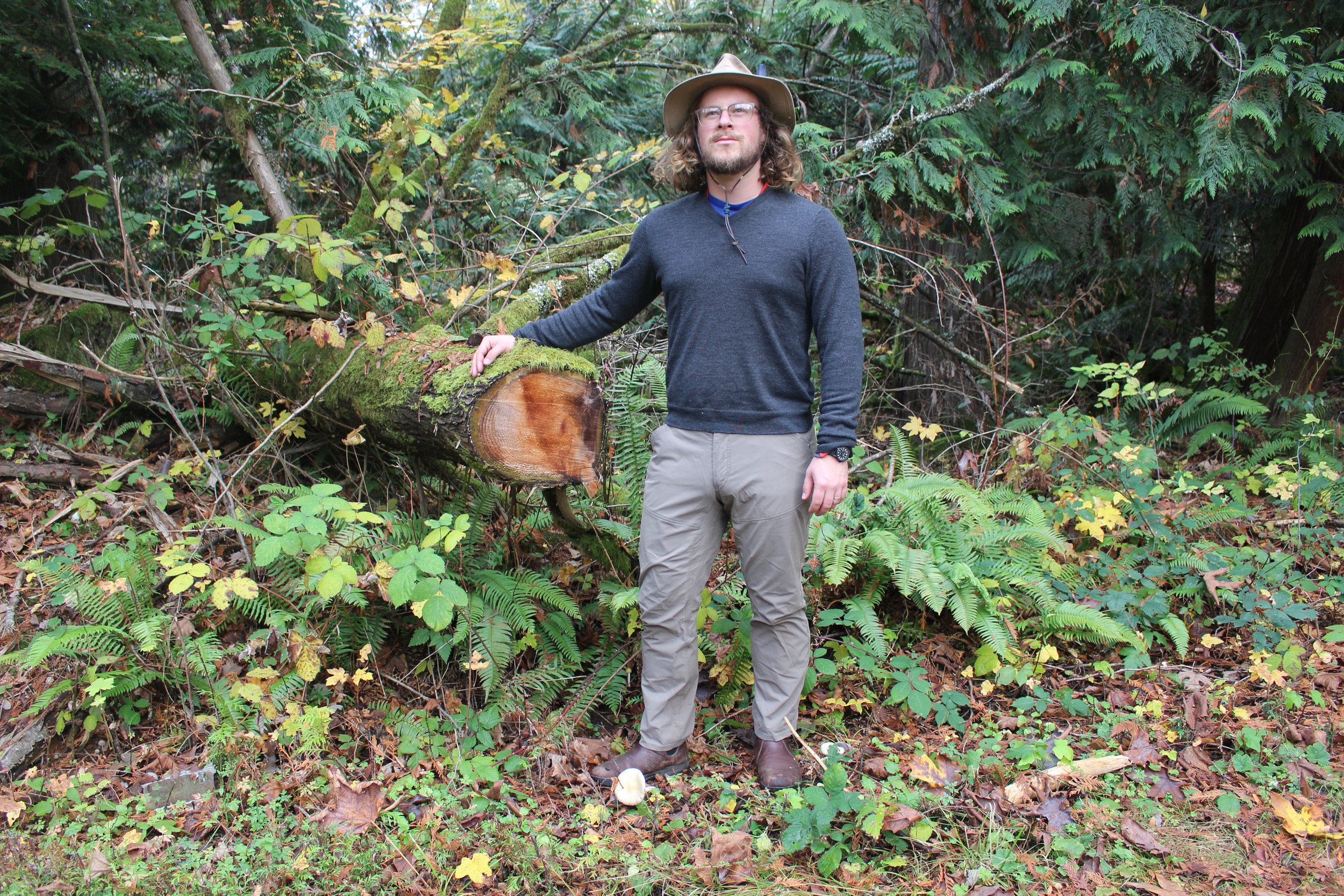
Above the base layer, the first middle layer. You can add and subtract as many middle layers as you like depending on conditions and activities! For myself in the cooler months, I generally start with a mid-layer shirt and pair of hiking pants (no cotton) as a standard mid-layer.
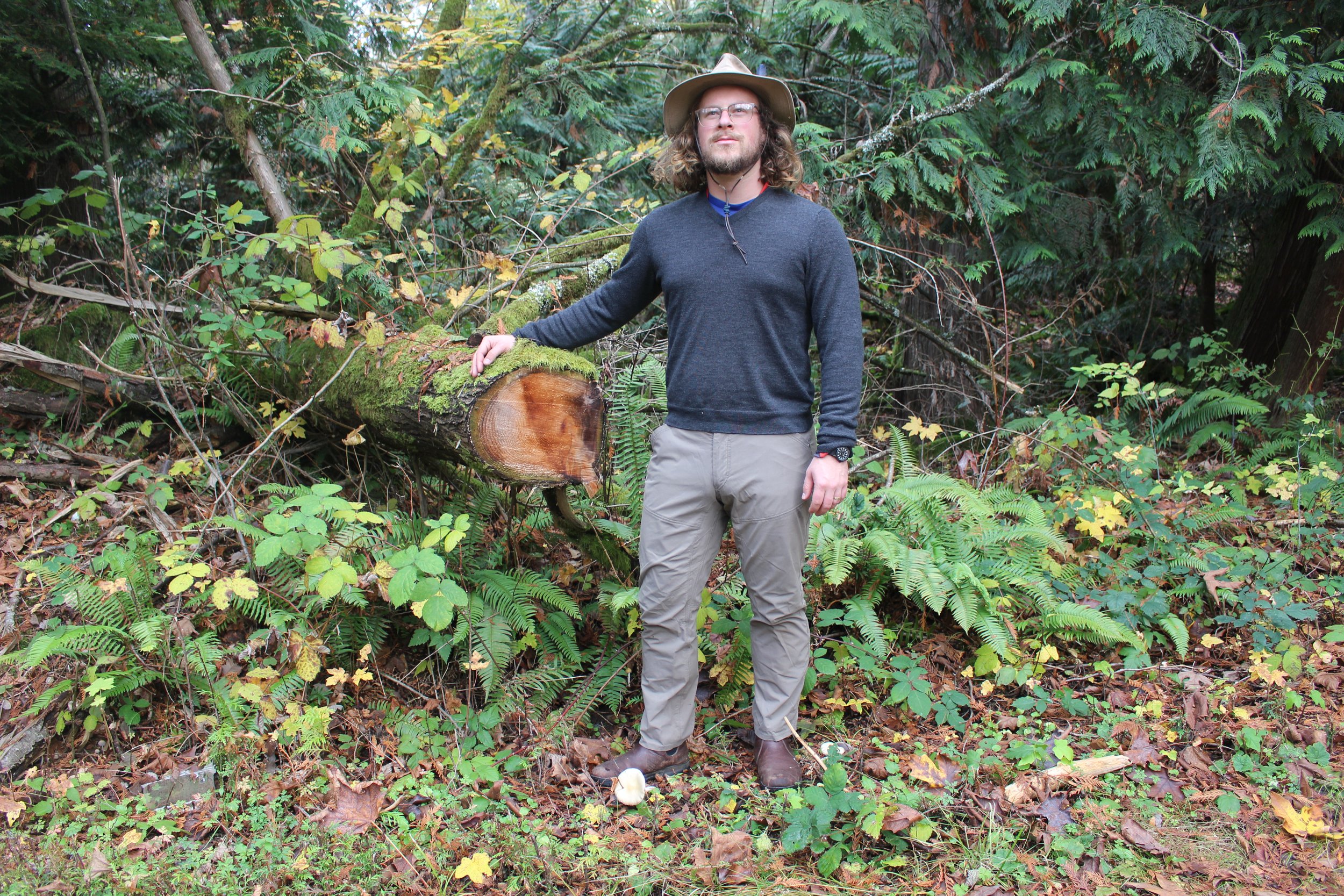
A thin wool sweater is an excellent mid-layer.
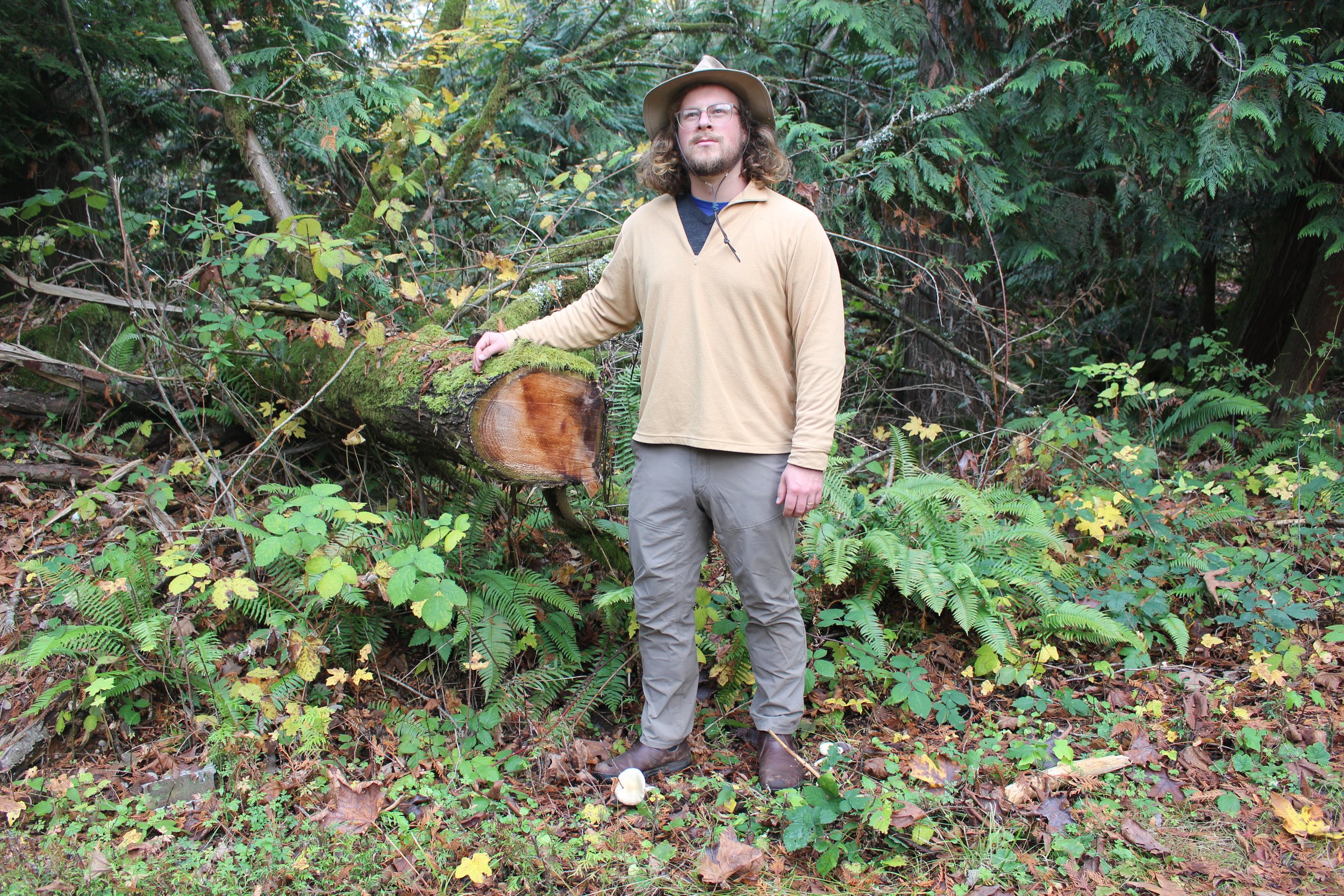
For temperatures below the mid-50s (around 13 degrees Celsius), I start adding more middle layers. For even lower temperatures, I like to stack my middle layers from lighter to heavier: a thin sweater,
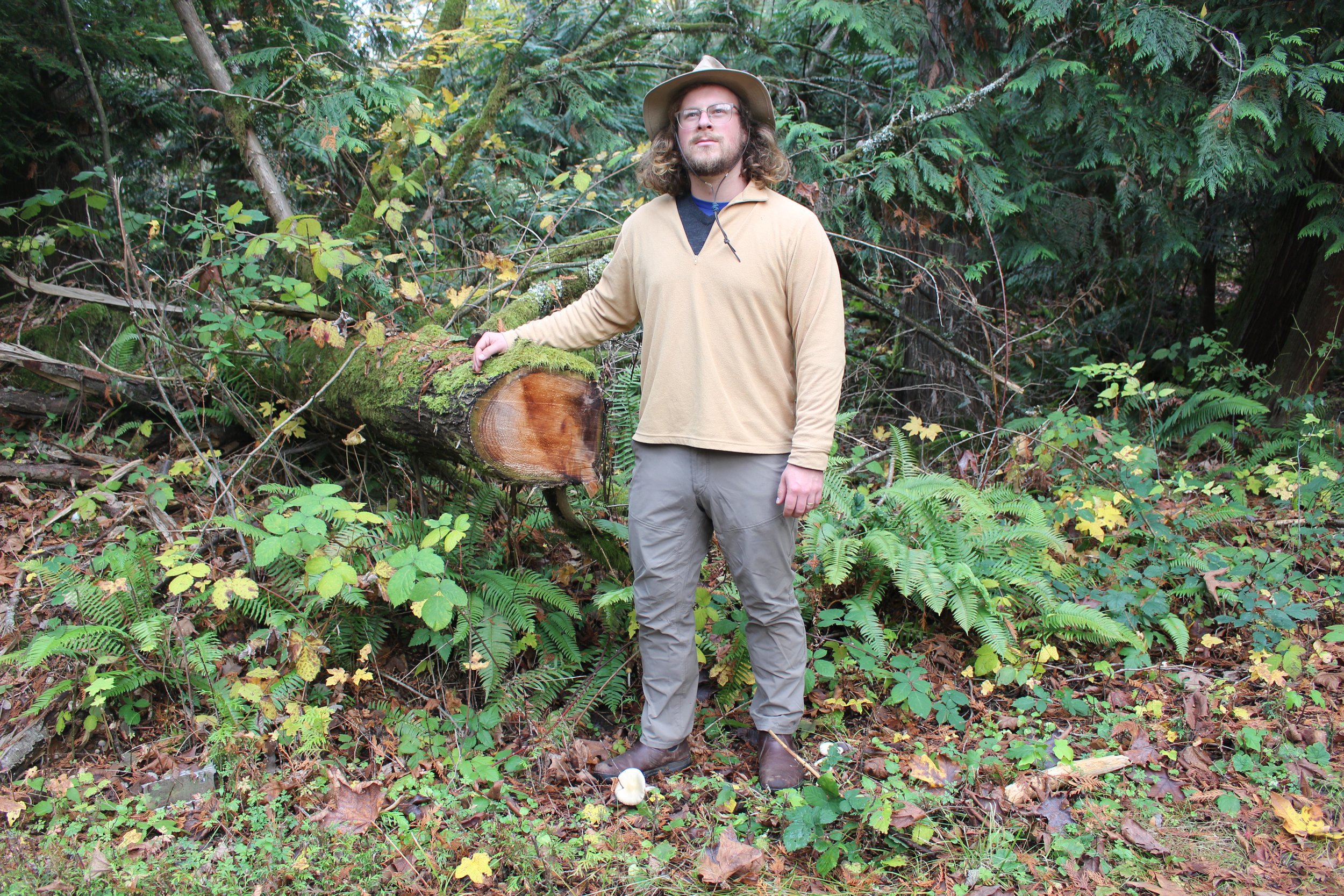
Mid-level Fleece Jacket.
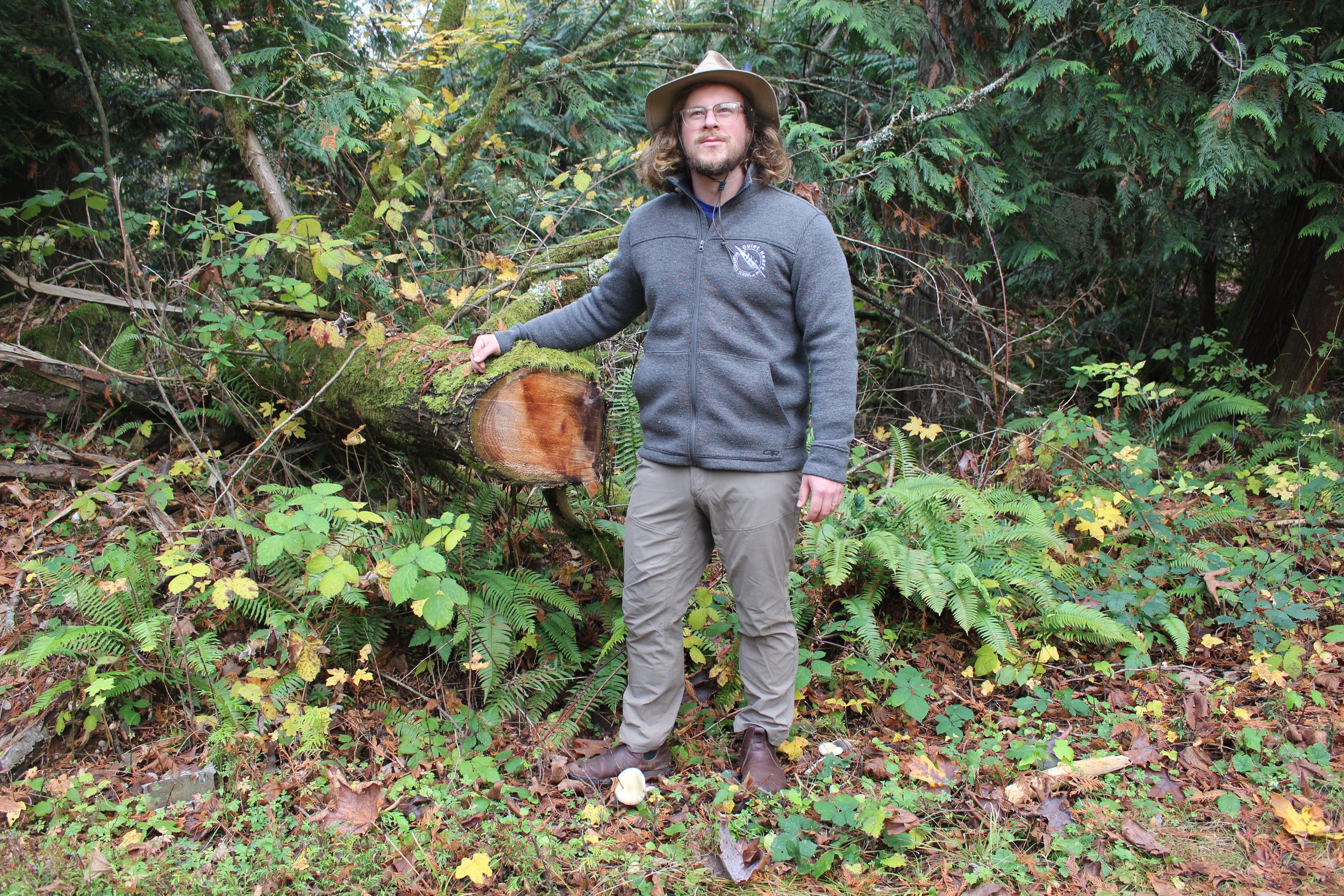
then mid-level jacket or shirt, then heavier coat, and of course, you can always add more. Fleece pants make an excellent extra layer for the legs, and downhill skiers and snowboarders may prefer even more heavily insulated pants to add to their layering.
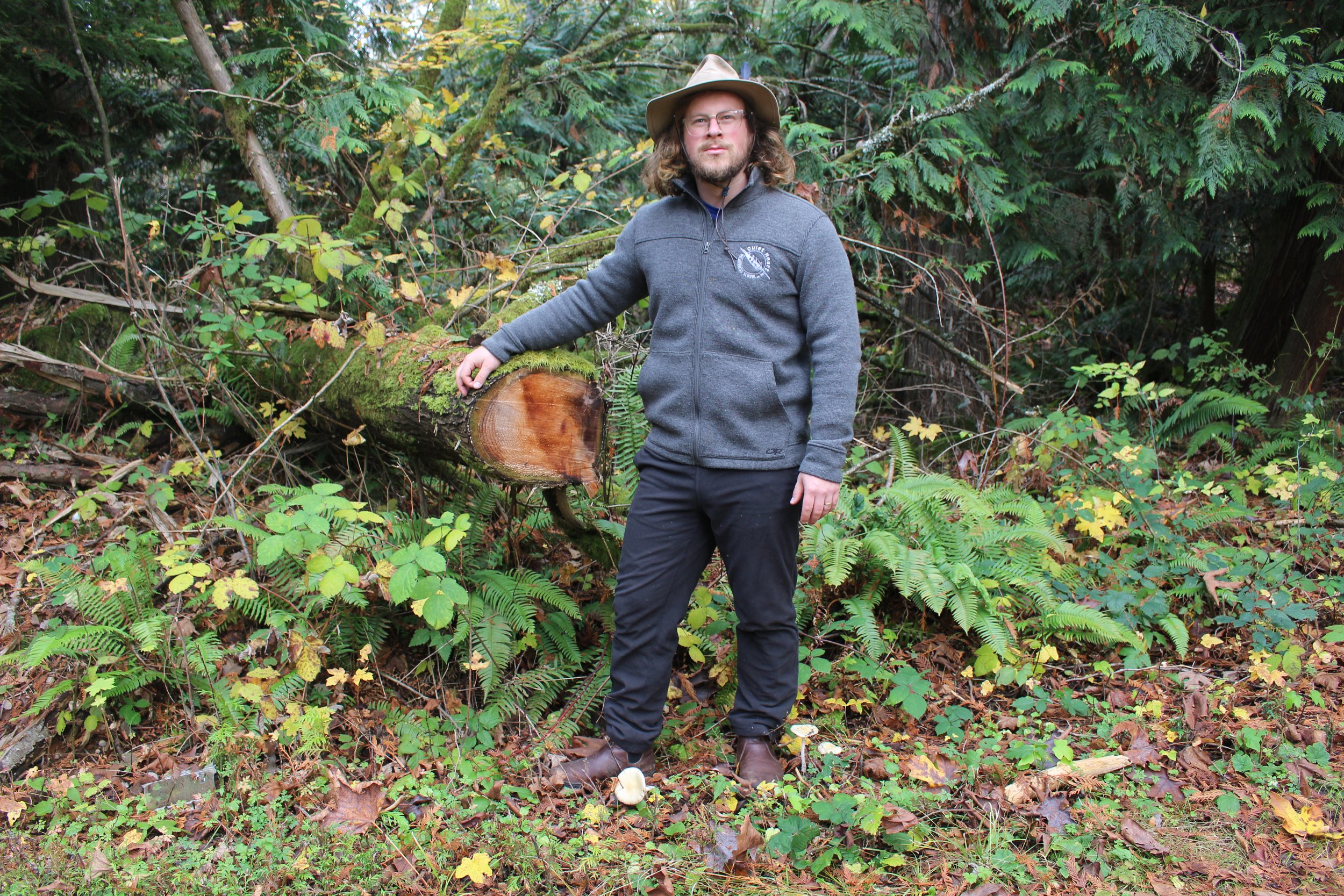
A heavy wool/synthetic blend jacket and Fleece pants add extra insulation.
The benefit of adding the layers from thinnest to thickest is that, as temperatures or activity level increases, the layers can be removed from top to bottom to restore comfort without dropping straight from too hot directly into being too cold.
The outer shell:
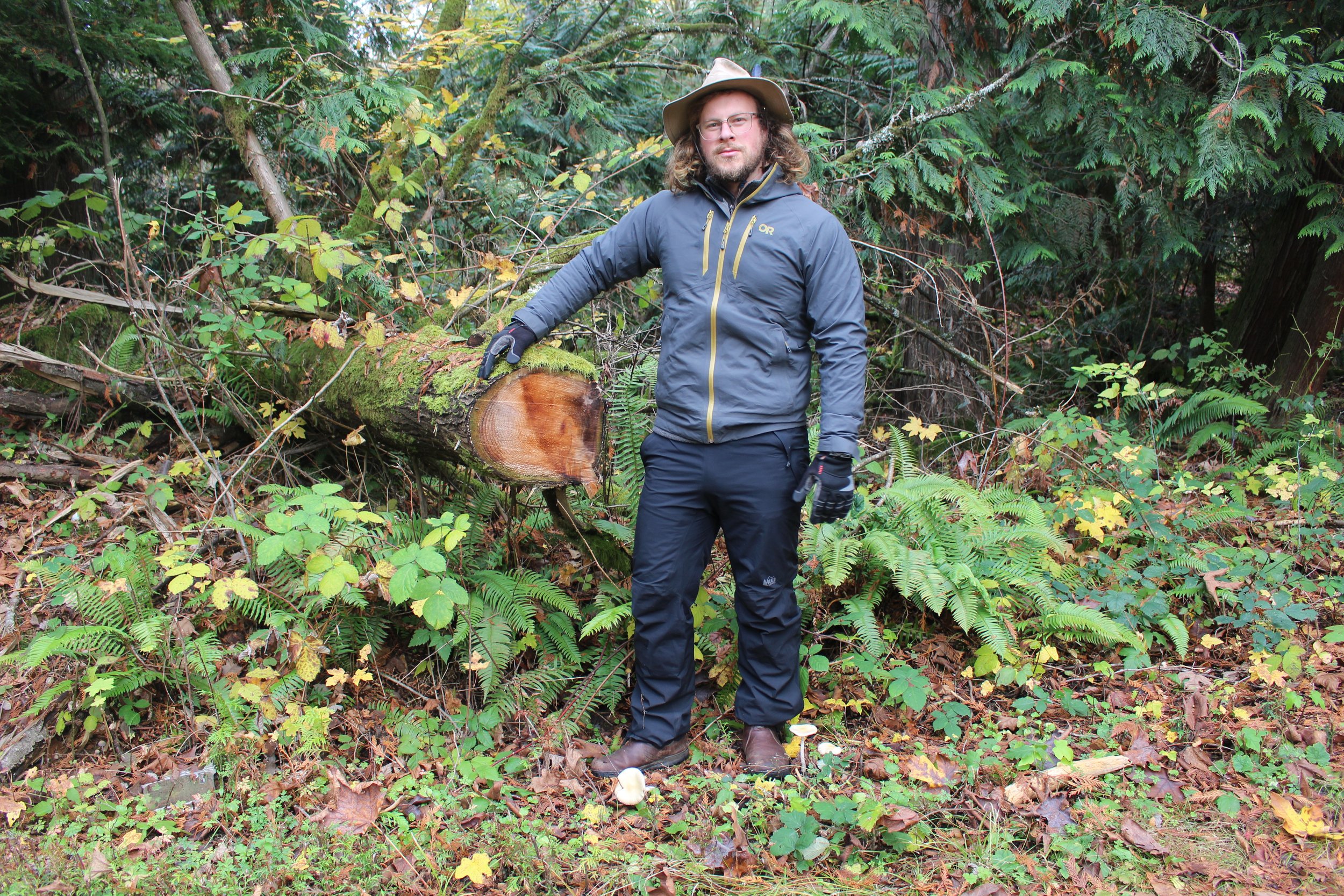
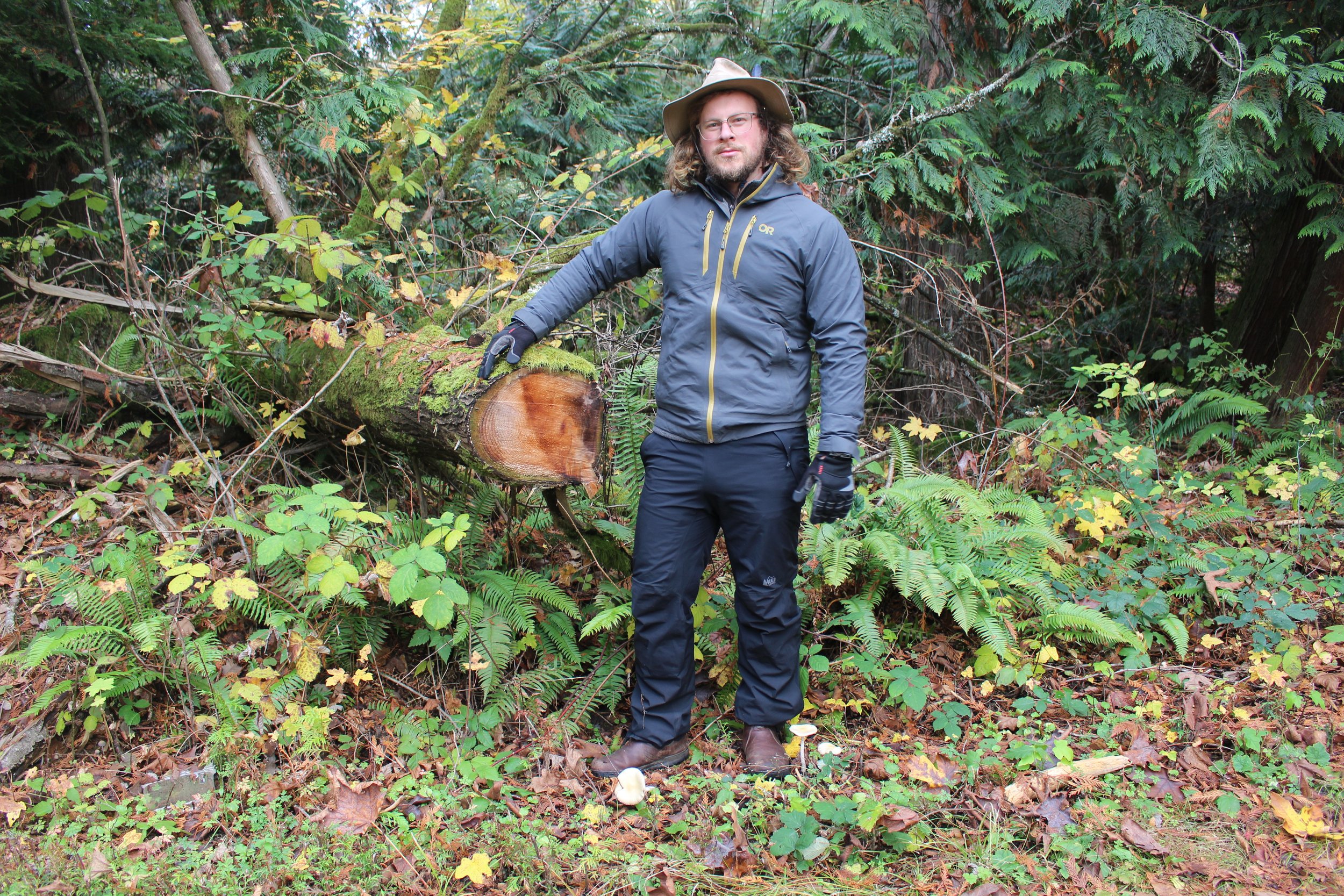
Can’t forget the rain gear!
Now for the final part of the layers, the outer shell. The shell layer is all about protection from the elements, something to preserve the integrity of the internal layers by keeping out rain and wind. Practically speaking, this is generally a waterproof layer; a rain jacket, and rain pants. In snow, you may also want to wear gators to keep snow out of boots.
In Conclusion…
Now here’s the thing, only you know what feels best to wear for your comfort! Obviously, this is just a basic guide, so feel free to adjust based on how you feel. The nice thing about layers is that you can constantly be removing and adding them to find that perfect comfort balance, so a bit of experimenting to find what’s right for you will go a long way towards feeling good about spending whole days out and about.
Thanks for reading, and stay warm and safe out there!
The different layers, from base to outer shell: